So, when we talk about navigation technology, you can't really ignore the impact of the Fiber Optic Gyro Compass. It’s become pretty essential for nailing down accurate and dependable navigation solutions. Recent industry reports are buzzing about how the global market for fiber optic gyroscopes is projected to top $1.2 billion by 2025. That’s mainly fueled by advancements in autonomous systems and an increasing appetite for high-performance navigation tools, especially in aviation, maritime, and defense sectors. Now, if we take a look at Poseidon International Group (Hong Kong) Limited – they’ve been around since 2013 and are really making waves in this space. They focus on everything from independent research to designing and producing fiber optic gyroscopes, inertial navigation systems, and those fancy advanced attitude and control systems. With a bunch of technical patents under their belt, they really stand for top-notch manufacturing. You could say they embody the slogan "World-Class Manufacturing, China's Pride, Exporting Globally." As we dive into the nitty-gritty of what makes the best Fiber Optic Gyro Compass tick, we'll see just how crucial it is for enhancing navigation solutions across different industries.
Understanding the Growing Adoption of Fiber Optic Gyro Compasses in Various Industries by 2025
You know, the way industries are jumping on the bandwagon of fiber optic gyro compasses is pretty impressive and it looks like by 2025, we’re really going to see a boost in navigation solutions. More and more organizations are starting to appreciate just how precise and reliable these advanced systems can be, which is why the demand for fiber optic gyroscopes is really starting to take off. This tech truly shines when it comes to accuracy and stability, and it’s becoming a must-have in fields like aerospace, marine, and even autonomous vehicles.
Looking ahead, the global market for fiber optic gyroscopes is expected to grow a lot, and there are some key reasons behind this boom. For one, there's a rising need for navigation tools in tricky environments, plus we're seeing some cool advancements in sensor tech that are pushing things forward. What's really neat is that these gyroscopes can handle situations where the older systems just can’t cut it. This makes fiber optic gyro compasses critical for pros who want top-notch navigation capabilities.
As more industries start to weave these systems into their everyday operations, we’re gonna witness a real shift in how navigation is done, which should, in turn, make things a lot safer and more efficient all around.
Key Technical Specifications of Top Fiber Optic Gyro Compasses for Enhanced Performance
You know, the world of navigation tech is moving really fast right now, and fiber optic gyro compasses are kind of leading the way. They’re super precise, which is a must-have for top-notch navigation solutions. So, get this: a recent report from Custom Market Insights says that the global B2B telecommunications market is expected to hit a whopping USD 189.90 billion by 2033. That’s a crazy growth rate of 15.8%! This really shows how much we’re depending on advanced navigation tools, especially in fields like logistics and maritime.

Now, when it comes to fiber optic gyro compasses, there are some key technical specs we need to keep in mind. For instance, tweaking the static scheme can help reduce the effects of platform vibrations, which can really throw off accuracy. There are some cool studies out there that suggest using an eight-position static scheme to tackle these issues. By making these kinds of upgrades, gyrocompass systems can stay stable and dependable even in tricky situations. As different industries keep pushing for accuracy and efficiency, we’ll definitely need more innovation in gyrocompass tech to stay ahead in the game.
Market Dynamics: Analyzing Growth Drivers and Challenges for Fiber Optic Gyro Compass Sector
You know, the fiber optic gyro compass market is really taking off right now! It's amazing to see how advancements in navigation tech and a growing need in different industries are driving this boom. If you look at the latest market reports, you'll notice that the global fiber optic gyroscope industry is set for some serious growth, especially in aerospace, defense, and maritime applications. The precision and reliability that fiber optic gyros provide are super important for top-notch navigation, and that’s why they’re becoming so popular.
We’re looking at a market that's expected to grow at a pretty impressive rate of 15.8% annually by 2033. This growth is really powered by new tech innovations and a spike in demand for navigation systems that boost both safety and efficiency. When you dive into the segmentation of the fiber optic gyroscope market by device type, it’s clear there’s a rising interest in gyrocompasses and inertial navigation systems, which are pretty crucial for strategic sectors. That said, there are still a few hurdles to jump over, like managing costs and keeping up with the rapid technological changes to remain competitive.
Oh, and here’s a quick tip! When you're picking out a fiber optic gyro compass, it’s super important to think about what you'll actually need it for. Make sure the device has the right sensing axis configuration—whether that’s 1-axis, 2-axis, or 3-axis—to get the best performance. And definitely keep an eye on new trends in the industry to make smart buying choices!
Future Trends: Innovations to Watch in Fiber Optic Gyro Compass Technology
Hey there! So, have you heard about the exciting stuff happening with fiber optic gyro compass technology? We're on the verge of some amazing breakthroughs that could really shake up how navigation works in everything from cars to airplanes. It’s pretty wild to think that the market for fiber optic gyroscopes is expected to explode from about $1.90 billion in 2025 to a whopping $4.49 billion by 2035! This just shows how much folks are digging these advanced navigation systems that deliver top-notch precision. One standout innovation is the interferometric air-core fiber optic gyroscope (IFOG) — it's got some serious accuracy that makes it a game-changer in modern navigation.
And get this: the way inertial measurement units are evolving and syncing up with fiber optic gyroscopes is going to take performance to a whole new level. With industries like autonomous driving and aerospace leaning so heavily on super precise navigation tools, these design and functionality upgrades are crucial. Companies like Poseidon International Group are totally at the forefront of this revolution, focusing on developing fiber optic gyroscopes and inertial navigation systems. As we push forward with research, who knows what new innovations might crop up? They could really boost the reliability of navigation systems and even unlock fresh opportunities for use in commercial and defense sectors alike!
Fiber Optic Gyro Compass Performance Metrics
This bar chart illustrates the performance metrics of a typical fiber optic gyro compass. The data includes accuracy, response time, temperature range, power consumption, and physical size, which are crucial for evaluating and selecting optimal gyroscopic navigation solutions.
Comparative Analysis: Fiber Optic Gyro Compass vs. Traditional Gyro Compass Systems
You know, when you take a close look at fiber optic gyro compasses compared to the old-school gyro compass systems, it’s pretty clear that we’re seeing some major leaps in navigation tech. Fiber optic gyros, or FOGs as they’re often called, really shine when it comes to accuracy and stability—both of which are super important for maritime and aerospace uses. According to some recent reports I've come across, these FOGs can achieve heading accuracy to within just 0.01 degrees! That’s a massive improvement over traditional mechanical systems that usually land about 1 degree off. This jump in precision really highlights how navigation tech is evolving to fit the needs of today’s transportation and exploration challenges.
But, hey, accuracy isn’t the only thing that counts; reliability is right up there too. FOGs work their magic using light interference, which means they don’t suffer from the mechanical wear and tear that older systems do. This leads to less downtime and better longevity. Companies like Poseidon International Group are really pushing the envelope here, focusing on creating some top-notch inertial navigation systems. They’ve got a bunch of technical patents backing their innovations, showing just how serious they are about leading the pack in this field.
Pro Tip: If you’re thinking about upgrading your navigation system, make sure to really consider what you need. Look for a system that not only hits the mark on accuracy but can also hold up against the challenges of the environment. Bringing on fiber optic gyros can lead to some awesome benefits, both in how well things perform and in saving you money. Just remember, investing in good navigation technology is pretty much investing in the future of your operations.
Optimal Navigation Solutions: Best Practices for Implementing Fiber Optic Gyro Systems
When implementing fiber optic gyro systems for navigation, understanding the best practices is crucial for achieving optimal performance. Fiber optic gyroscopes (FOGs) utilize the principles of light interference and the Sagnac effect to deliver highly accurate angular rate measurements, making them ideal for applications requiring precise navigation solutions. Reports from industry leaders such as Allied Market Research indicate that the global fiber optic gyroscope market is projected to grow significantly, reaching over $1 billion by 2027, a clear indication of the technology's increasing relevance in fields like aerospace and maritime.
One important tip for integrating fiber optic gyro systems is to ensure proper alignment and calibration. This not only enhances accuracy but also prolongs the lifespan of the systems. Regular maintenance and calibration checks can help avoid costly disruptions and ensure the gyros perform at optimal levels. Furthermore, training personnel to understand the intricacies of fiber optic technology can lead to more effective troubleshooting and usage of these advanced systems.
Another critical aspect is the selection of the appropriate FOG model based on specific operational requirements. Factors like environmental conditions, size constraints, and data output specifications play a vital role in this decision. Data from research conducted by the International Journal of Navigation shows that enhanced sensitivity in FOGs significantly reduces drift, thus improving navigational reliability and efficiency. Emphasizing these best practices will lead to successful implementation of fiber optic gyro systems in navigation solutions.
Enhancing Precision and Performance: The Role of Micro-nano Angular Rate Sensor Fiber Optic Gyros in Modern Technologies
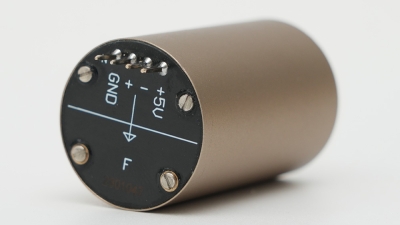
The modern technological landscape increasingly demands precision and reliability in various applications, particularly in scenarios where orientation control is critical. This is where micro-nano angular rate sensors, specifically fiber optic gyros, come into play. With a micro-optic architecture and a precision Sagnac-effect fiber sensing core, these gyros are revolutionizing the way we operate in extreme environments. The ultra-compact cylindrical design, boasting a diameter of just 24mm and a height of 40mm, allows for seamless integration into high-dynamics platforms, facilitating operations across GNSS-denied and vibration-heavy environments.
Engineered with full solid-state construction, these sensors offer inertial-grade reliability, providing a maintenance-free solution that ensures instantaneous readiness. As highlighted in recent industry analyses, fiber optic gyros outperform traditional mechanical gyroscopes, boasting lower drift rates and superior accuracy even in the most challenging conditions. Reports indicate that the global market for fiber optic gyros is expected to grow significantly, projected to reach $2 billion by 2025, driven by advancements in automotive, aerospace, and military applications where robust orientation control is imperative.
With analog signal integrity at its core, the micro-nano angular rate sensor fiber optic gyros exhibit an impressive capability to maintain consistent performance without being affected by environmental factors. This innovation not only enhances precision in navigation and stabilization tasks but also opens the door for new advancements in various fields, including autonomous vehicles and robotics, where accurate inertial measurement is crucial for operational efficacy.
FAQS
: The growth is primarily driven by advancements in navigation technology and increasing demand across aerospace, defense, and maritime sectors, resulting in a projected market growth of 15.8% CAGR by 2033.
There is a growing preference for gyrocompasses and inertial navigation systems within the fiber optic gyroscope market, as these are vital for strategic industries.
Key challenges include cost considerations and the necessity for continuous technological advancements to maintain competitiveness in the market.
Important practices include proper alignment and calibration of the systems, regular maintenance, and training personnel to understand fiber optic technology for effective troubleshooting.
Choosing the appropriate FOG model based on operational requirements—such as environmental conditions and data output specifications—can significantly influence navigational reliability and efficiency.
Calibration enhances accuracy and prolongs the lifespan of fiber optic gyros, helping to avoid disruptions and ensuring optimal performance.
Enhanced sensitivity in FOGs reduces drift, thereby improving navigational reliability and performance, which is crucial for accurate navigation solutions.
The market is projected to exceed $1 billion by 2027, showcasing the increasing importance of fiber optic gyroscopes in sectors like aerospace and maritime.
Users should consider application requirements and stay informed about emerging industry trends to make informed procurement decisions.
Fiber optic gyroscopes provide highly accurate angular rate measurements, making them essential for precise navigation in various critical applications.

 TBSD60
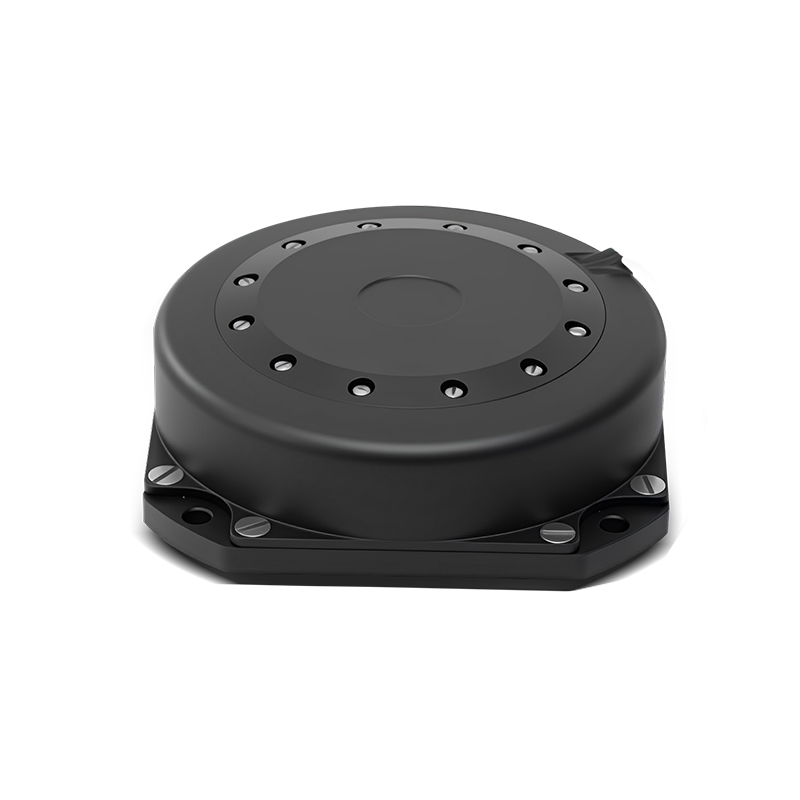
 BSD120
 BSD98
BSD98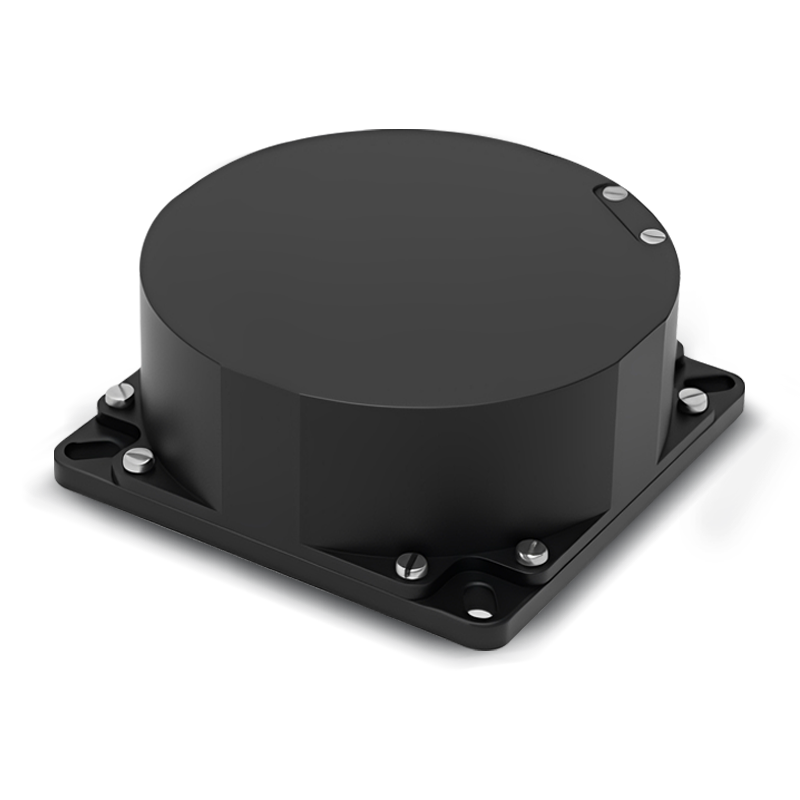 BSD70
BSD70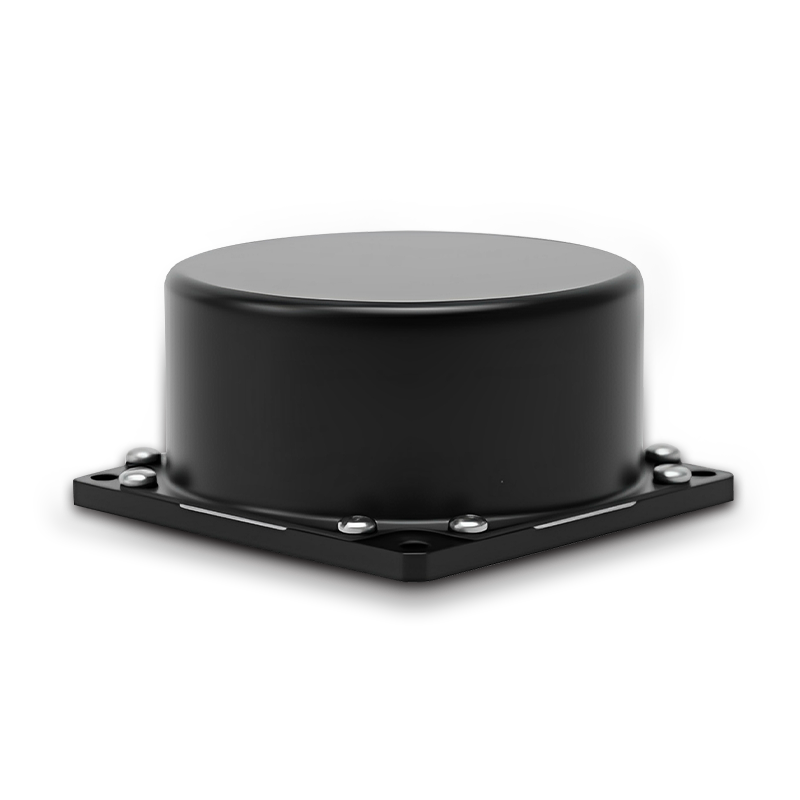 BSD60
BSD60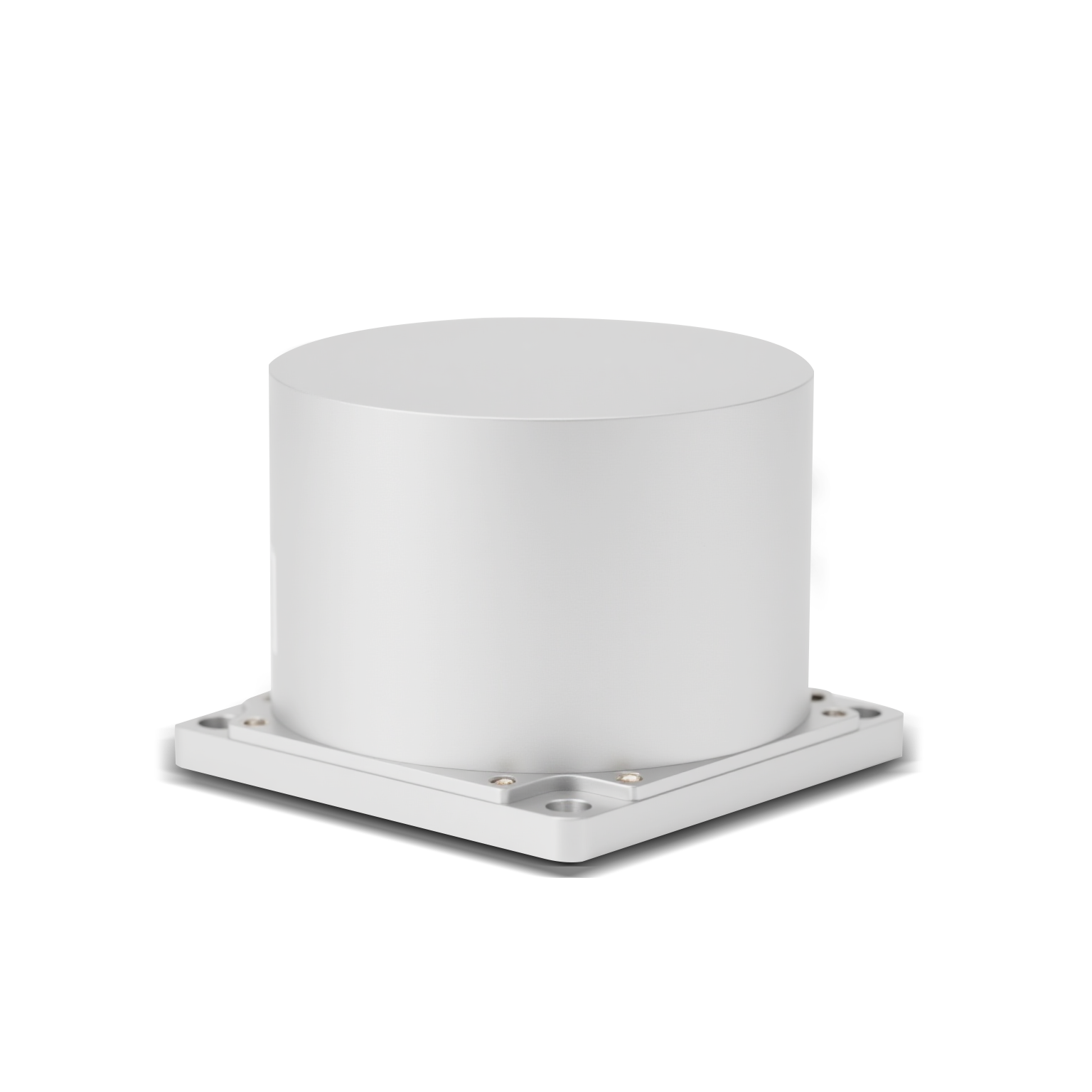 BSD50
BSD50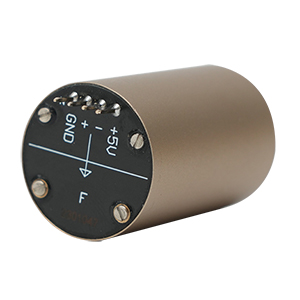 BSD217
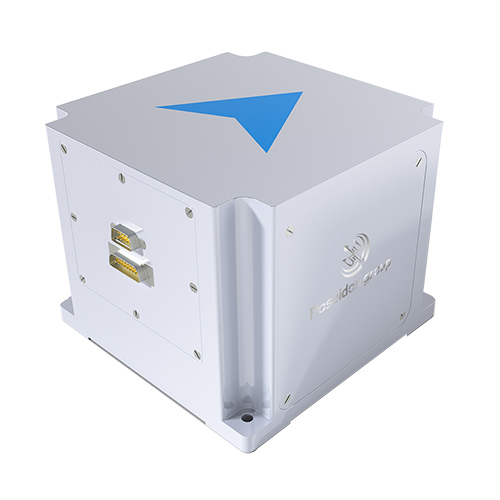 INS1700
 INS970
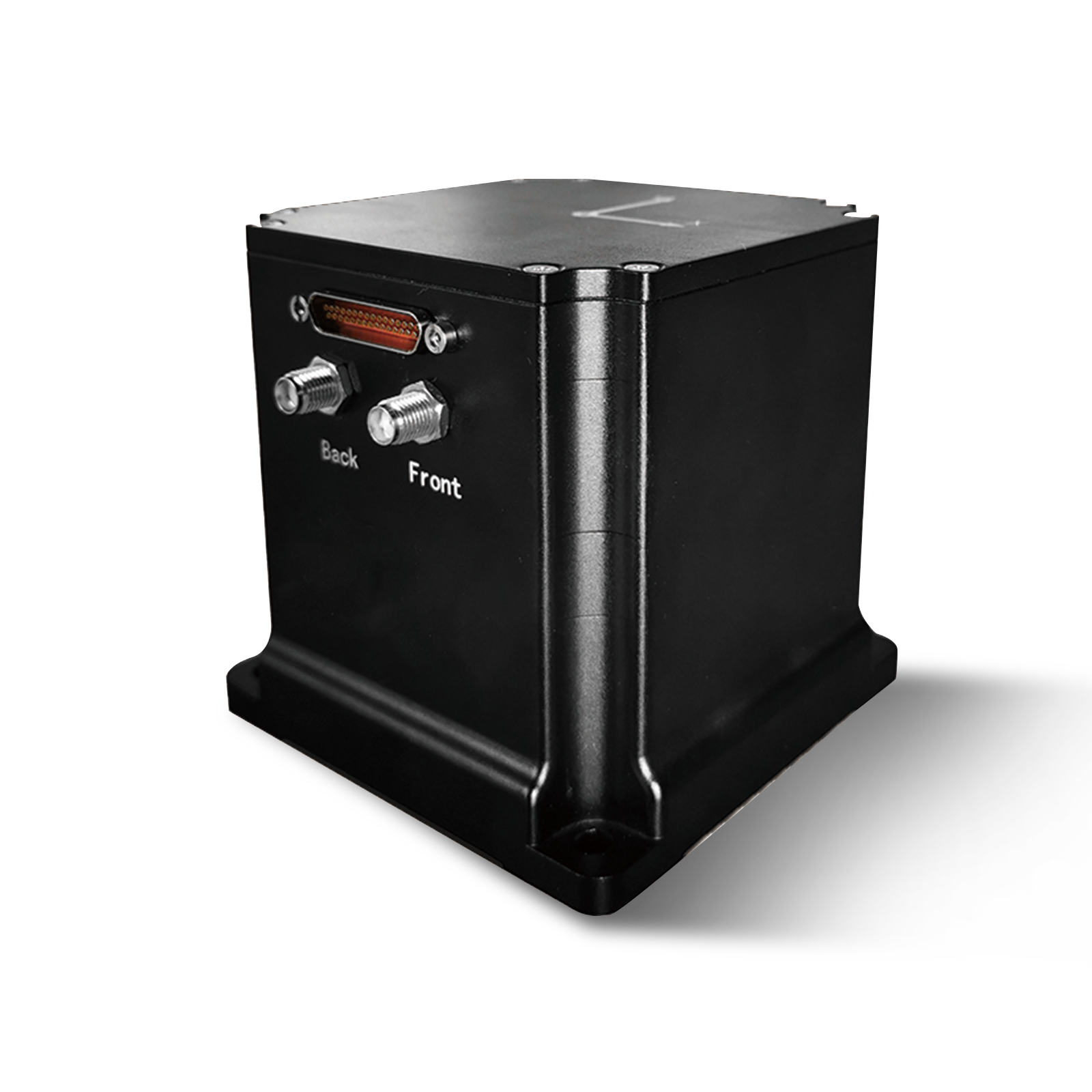 INS570
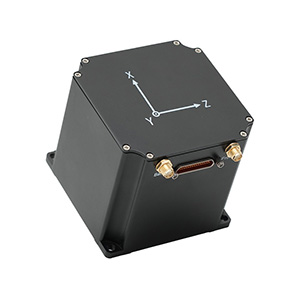 INS170
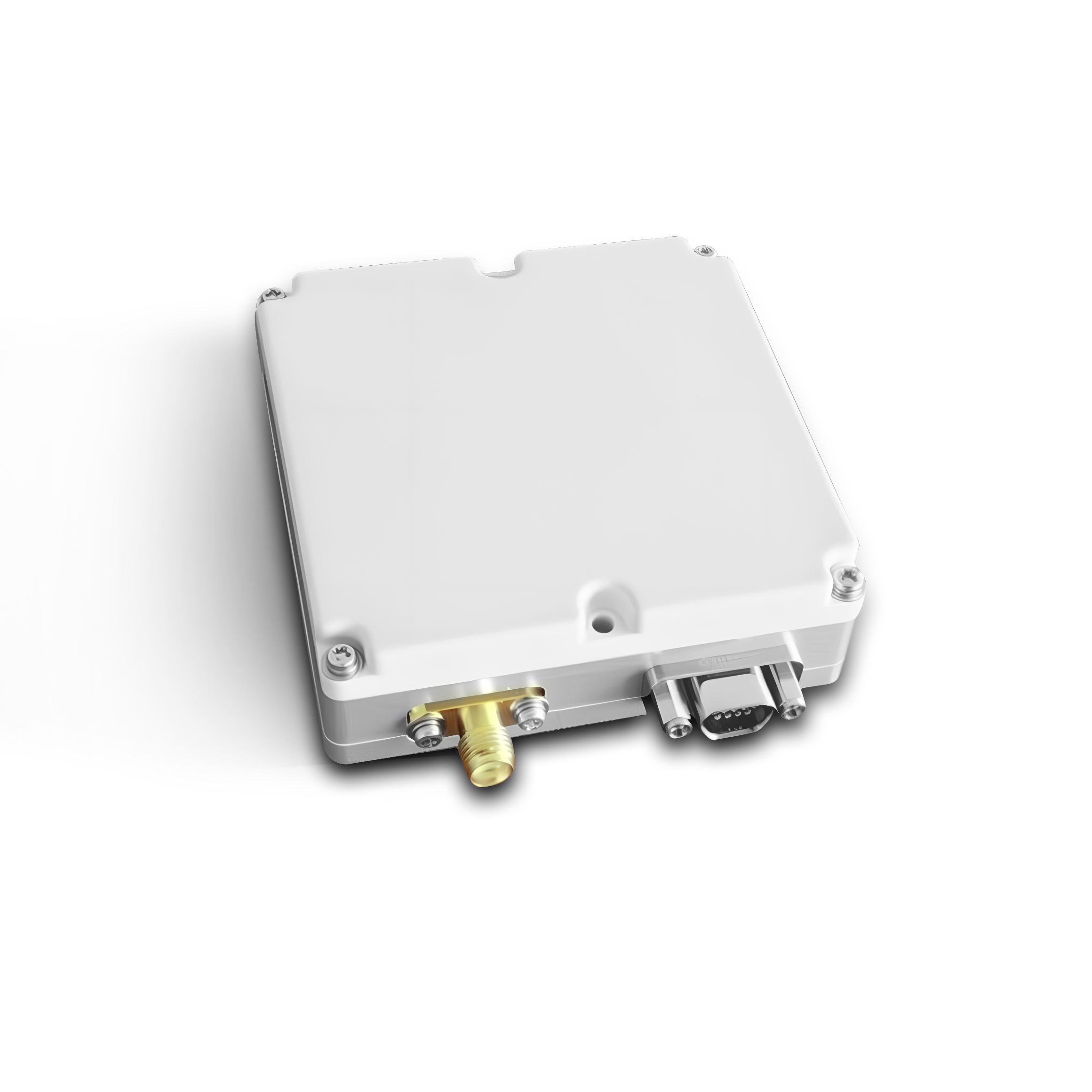 SLA-4B1L1-65
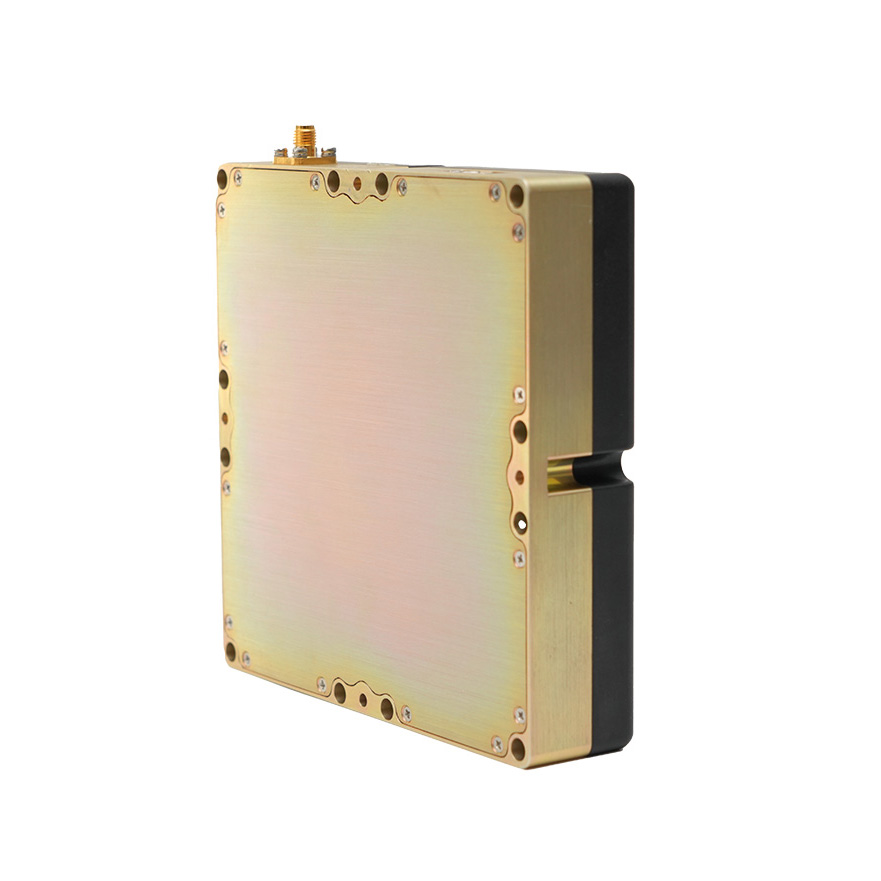 SLA-4B1L1-130
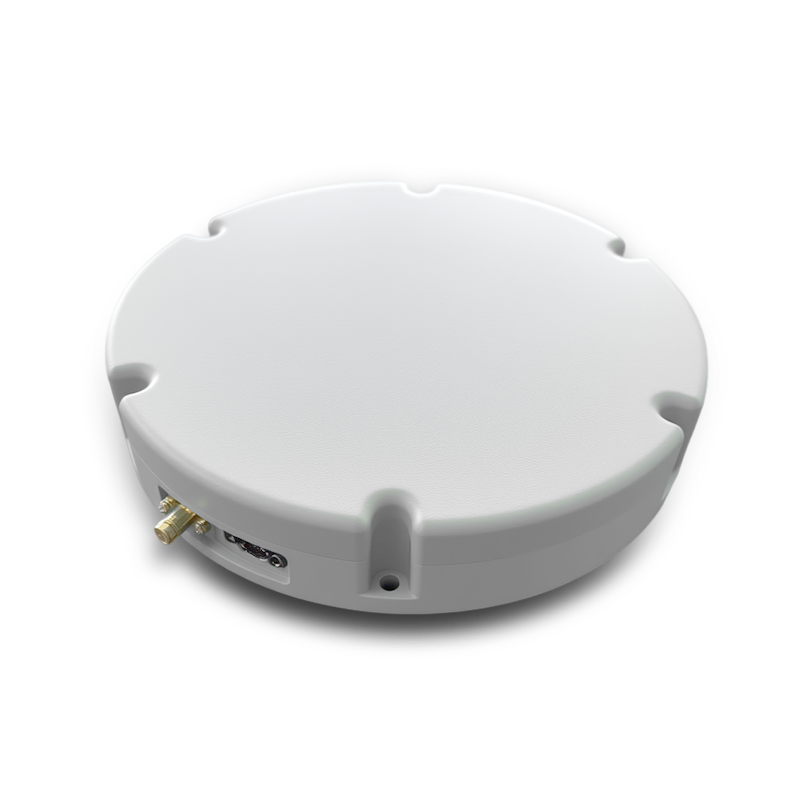 SLA-8B1L1-165
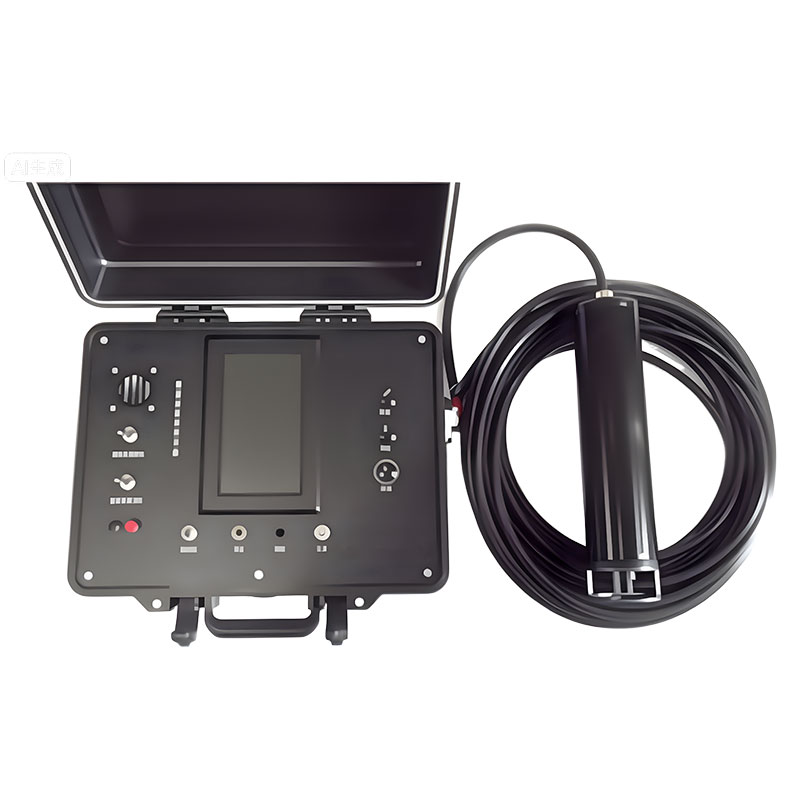 DIVER 101
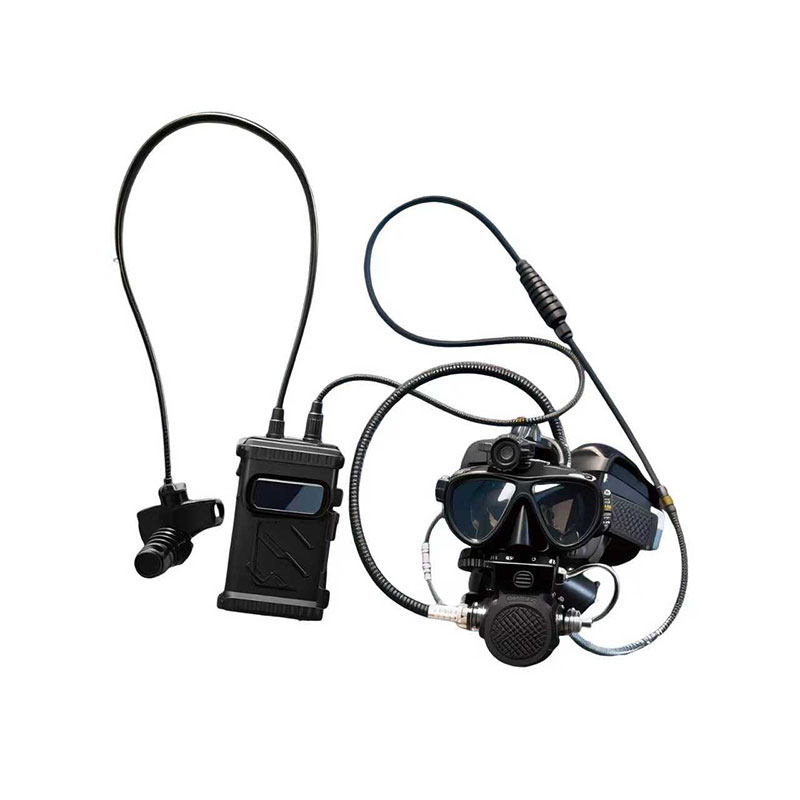 DIVER 102
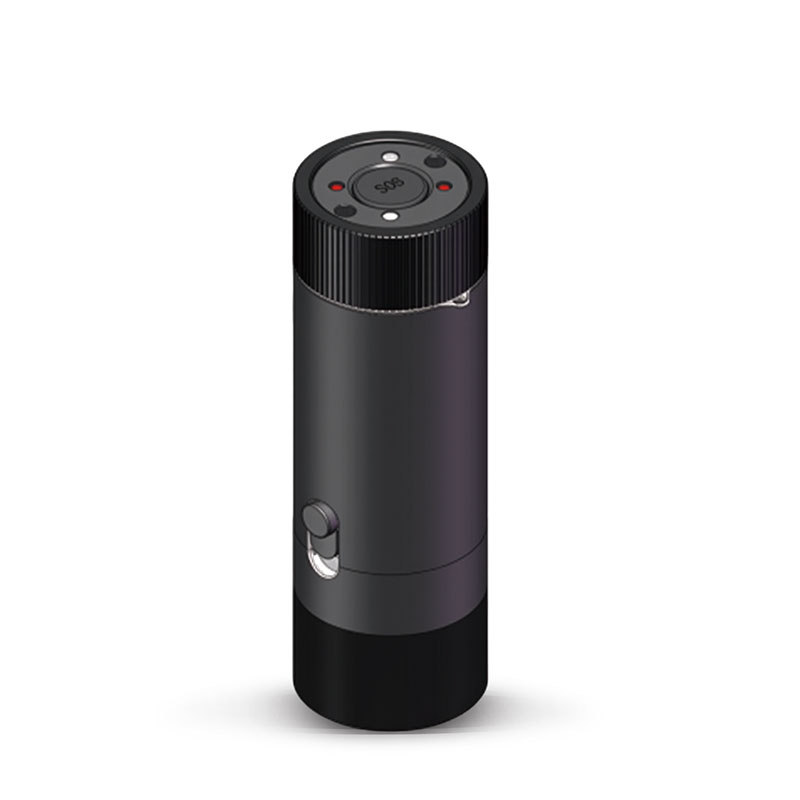 DIVER 103
 DIVER 104
 DIVER 105
 DIVER 106
 SLLR3000
 SLLR905
 SLLD25
 160M
160M 170M
170M SLFC-70
 SLAF280
 MR360
MR360