
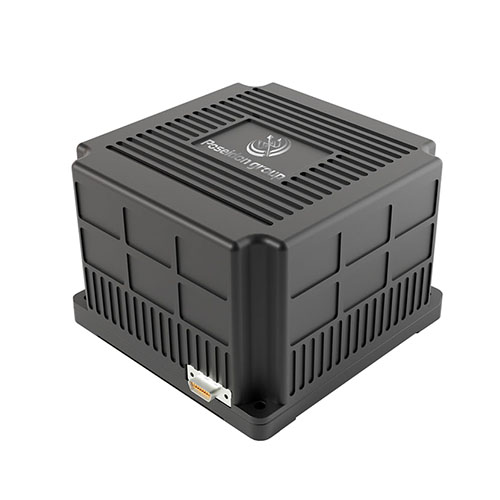
 TBSD60
 BSD120
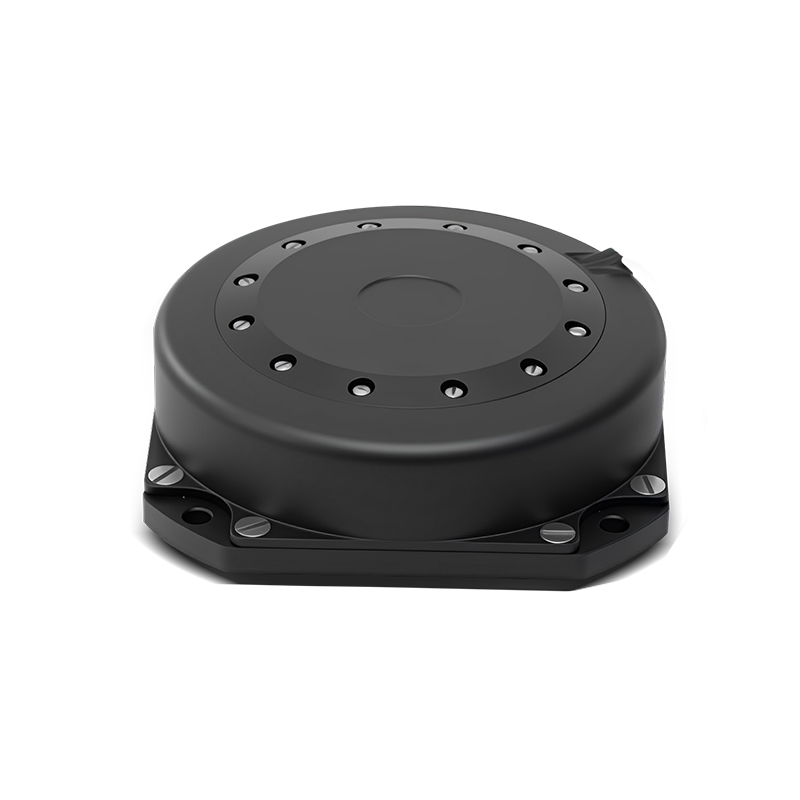 BSD98
BSD98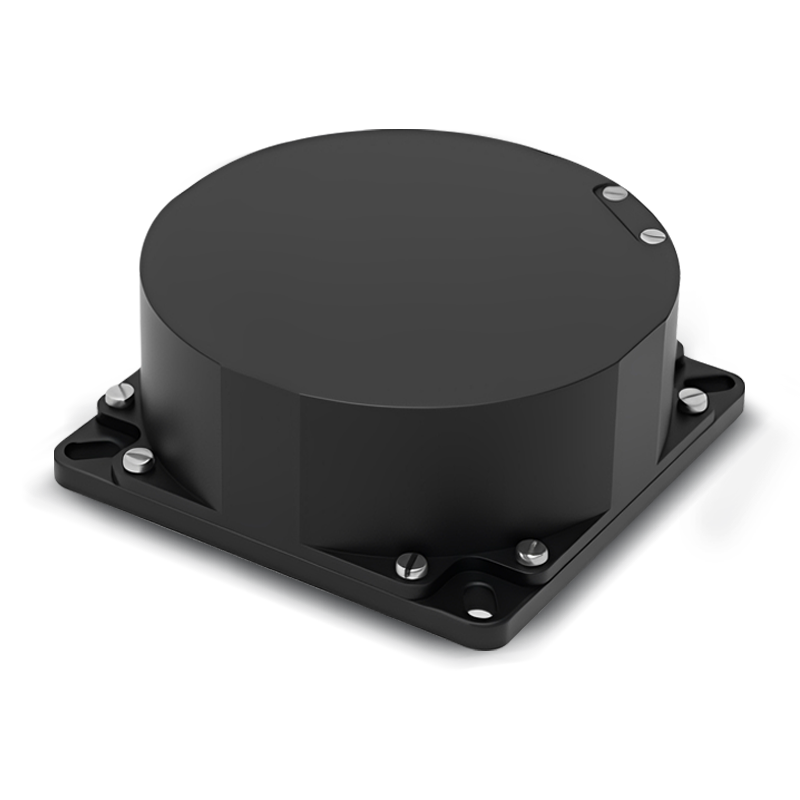 BSD70
BSD70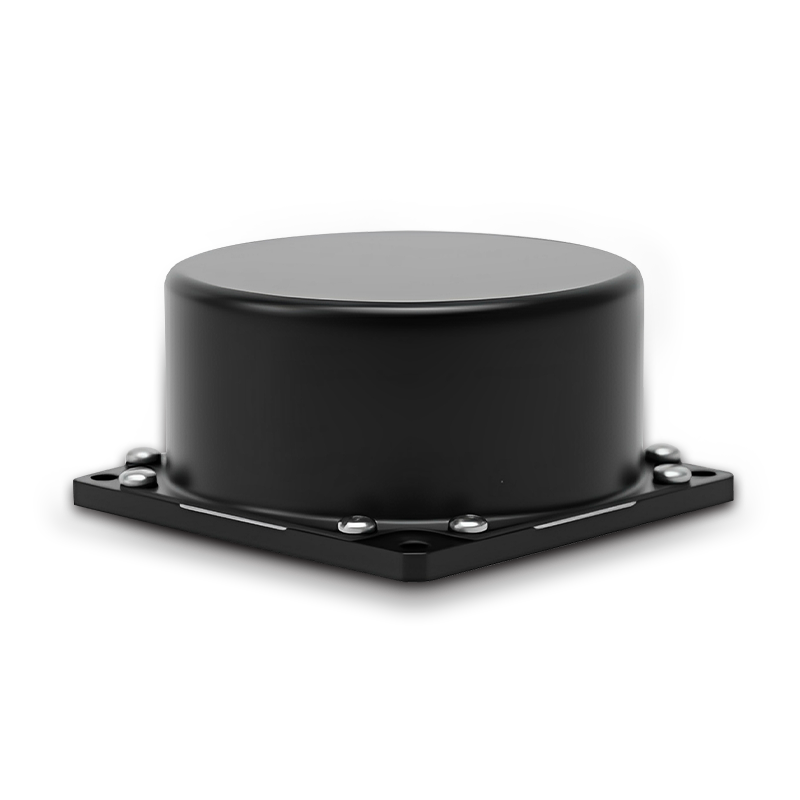 BSD60
BSD60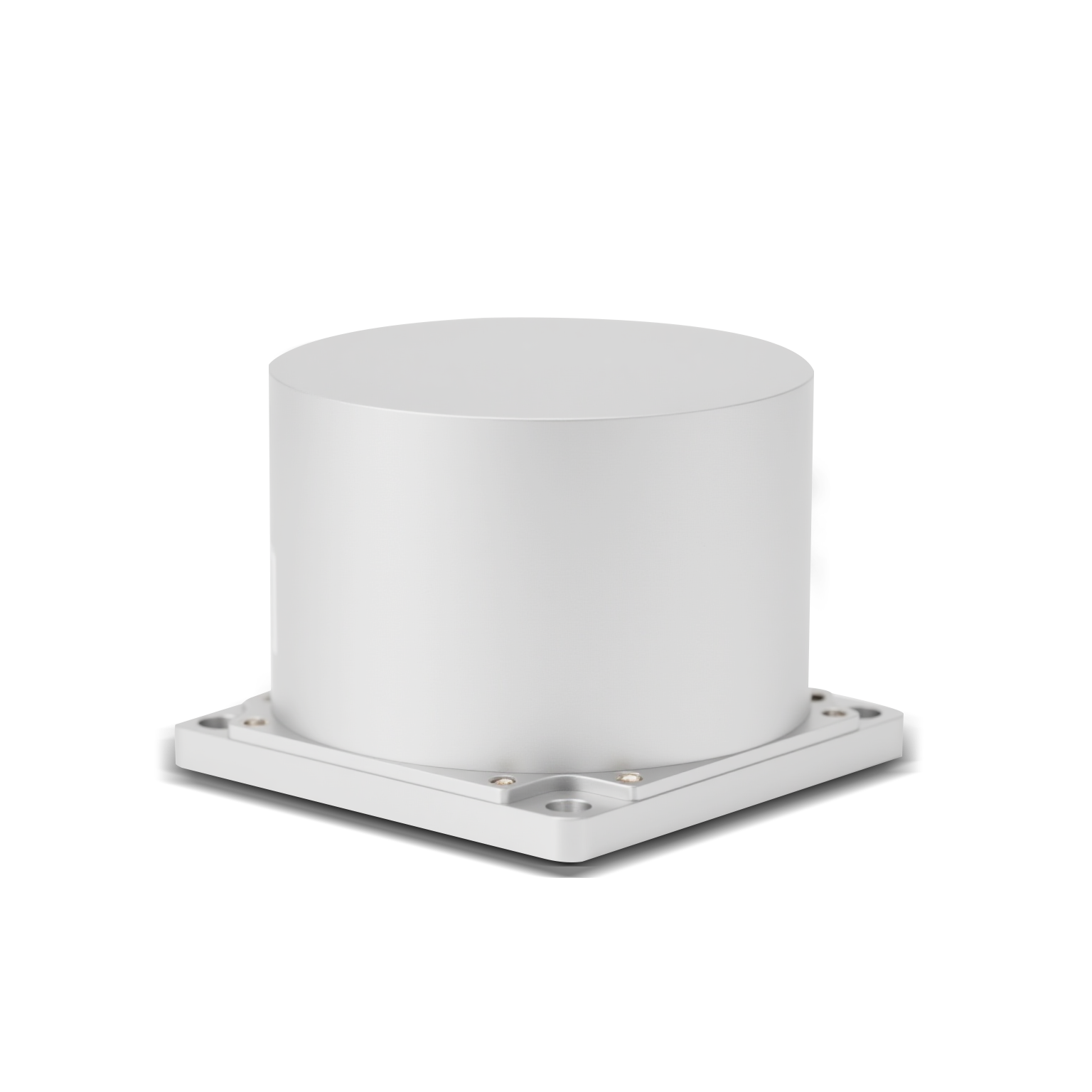 BSD50
BSD50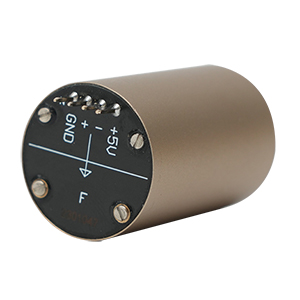 BSD217
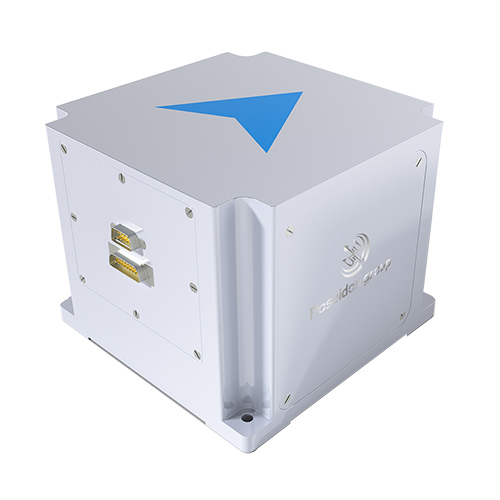 INS1700
 INS970
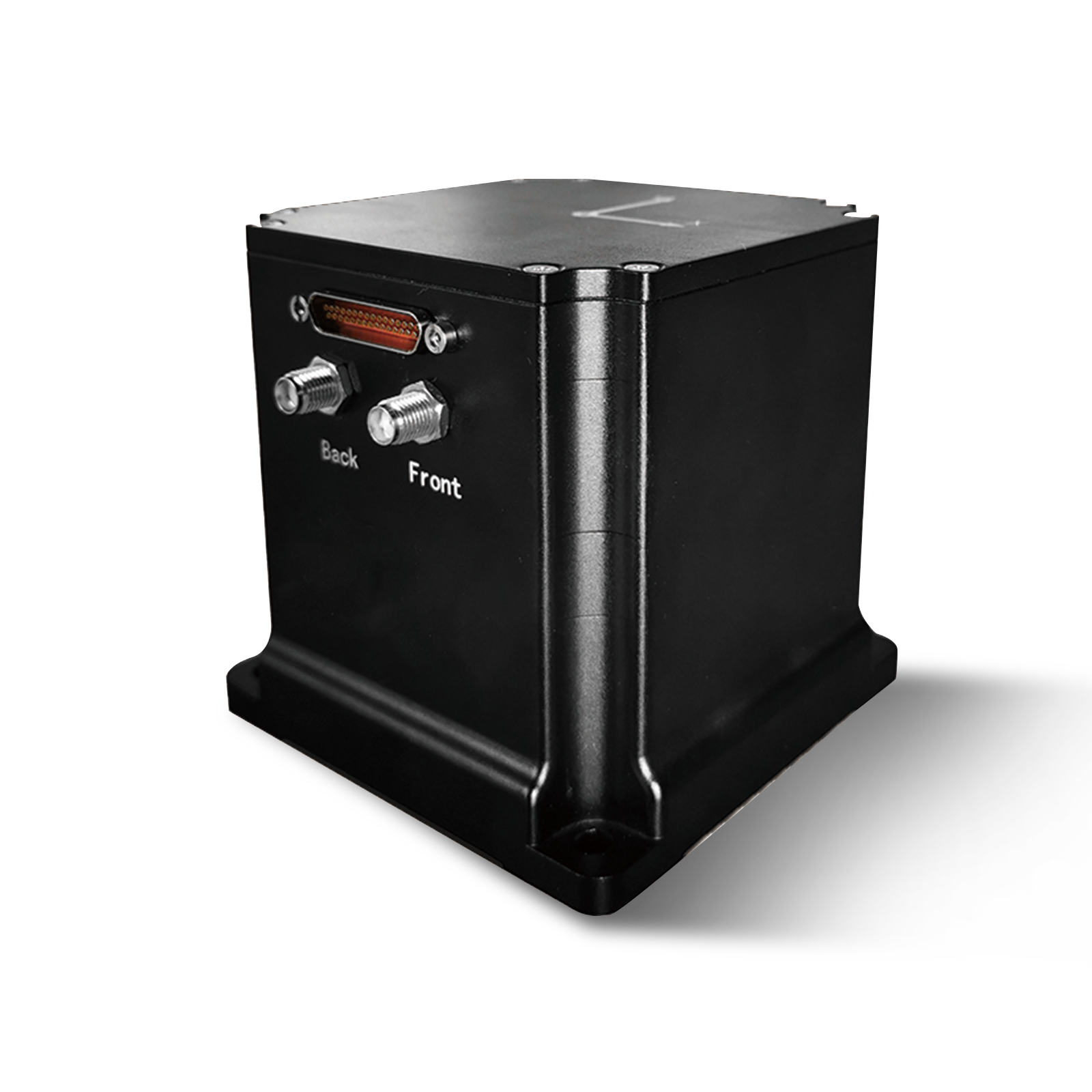 INS570
 INS170
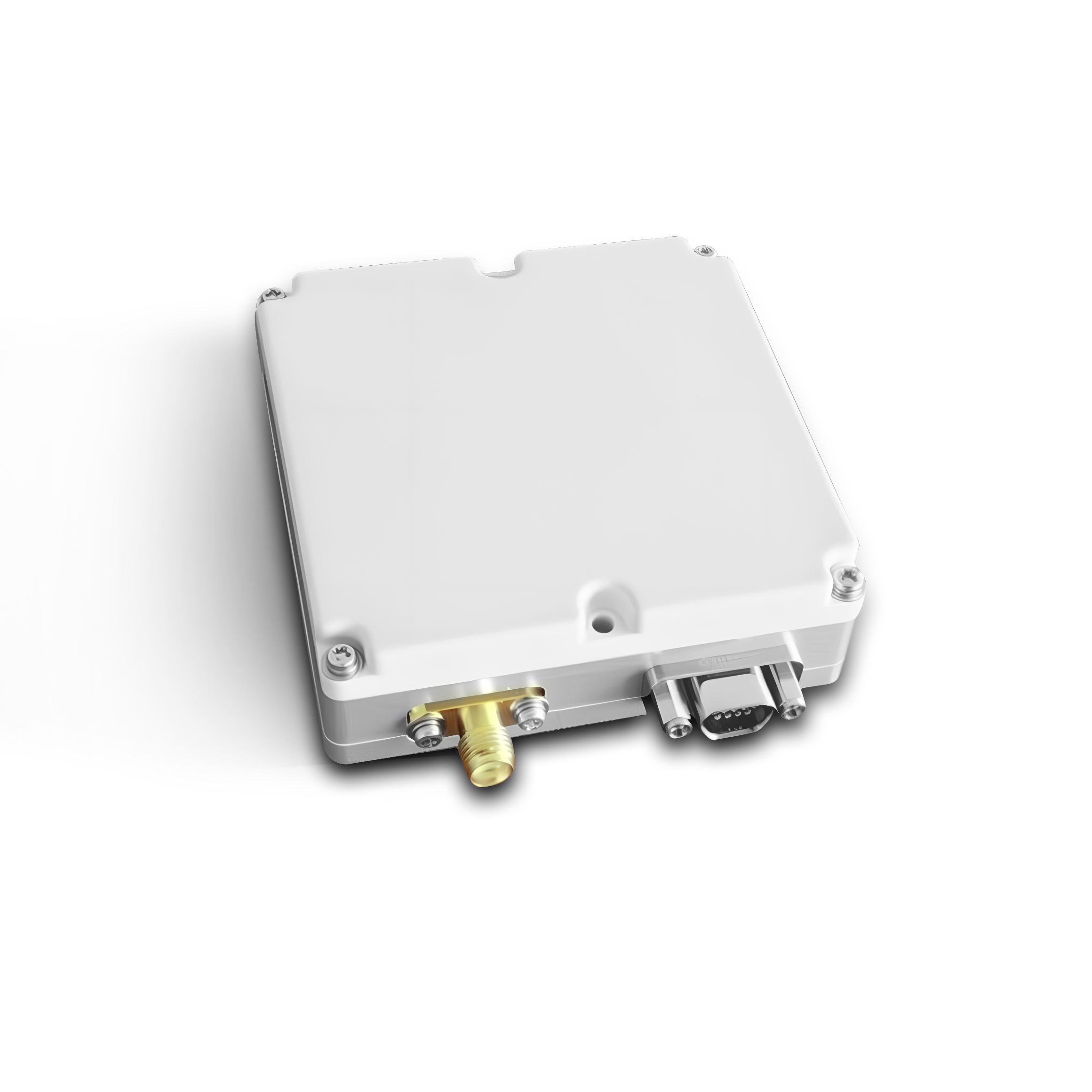 SLA-4B1L1-65
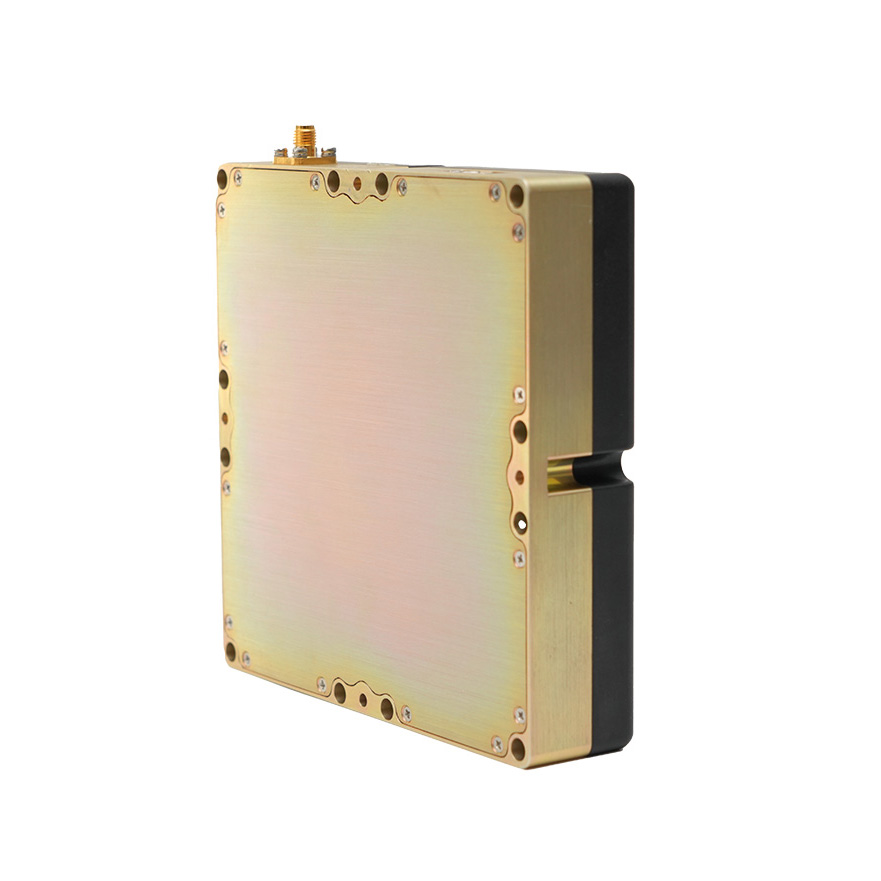 SLA-4B1L1-130
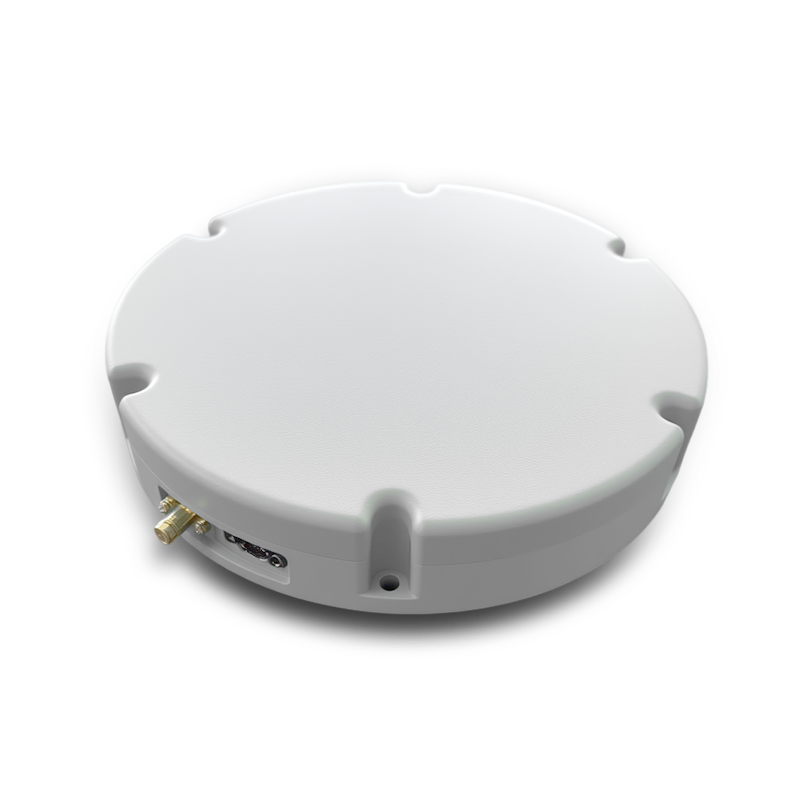 SLA-8B1L1-165
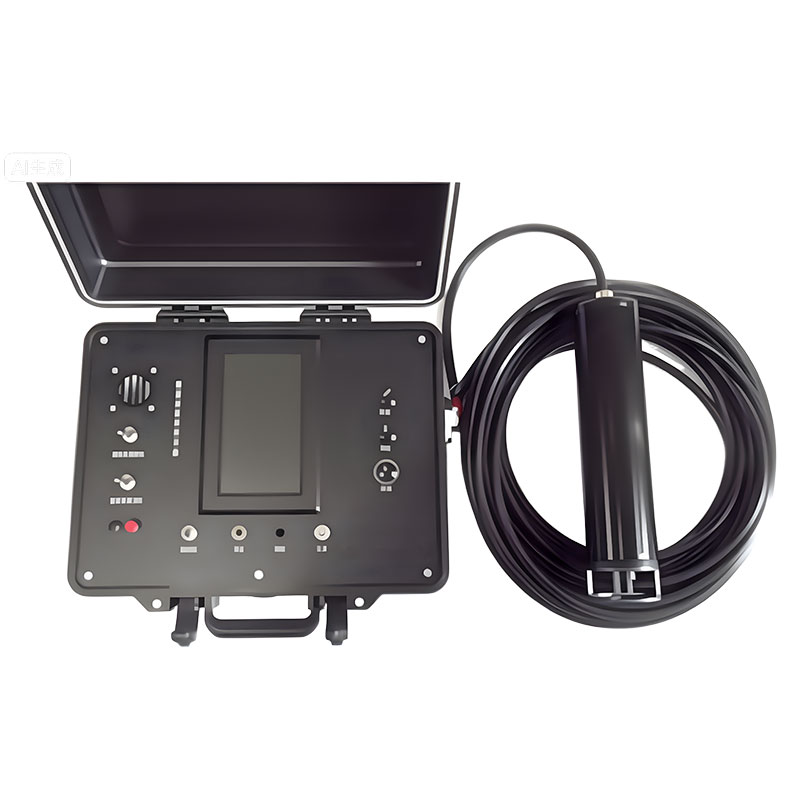 DIVER 101
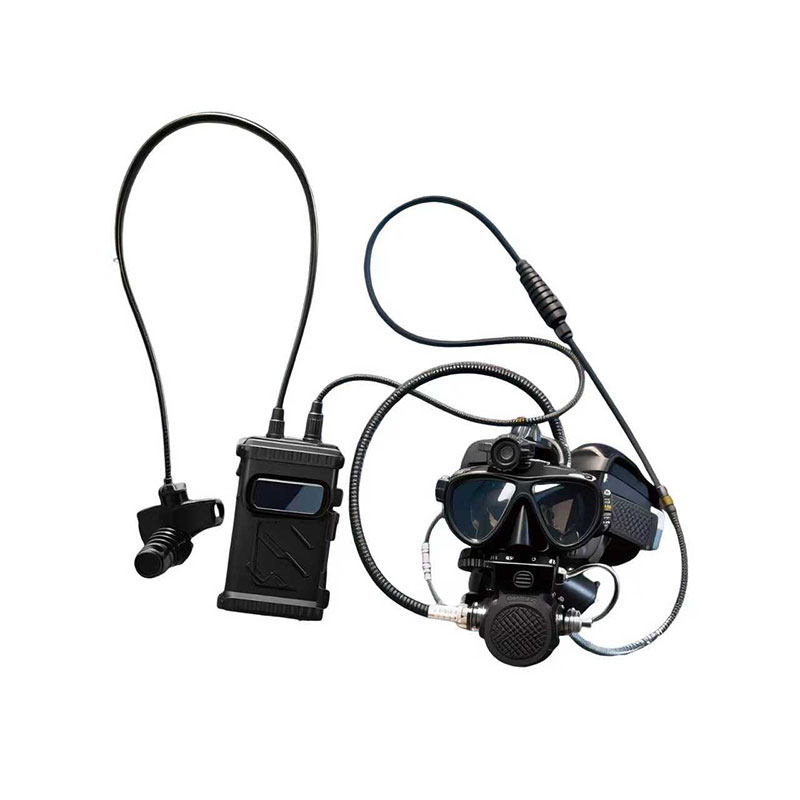 DIVER 102
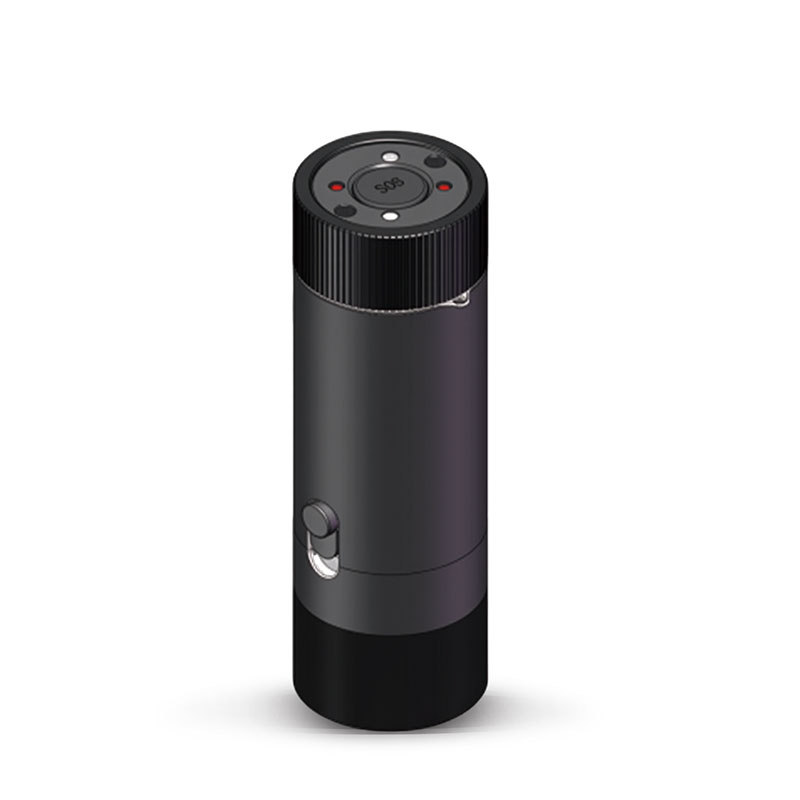 DIVER 103
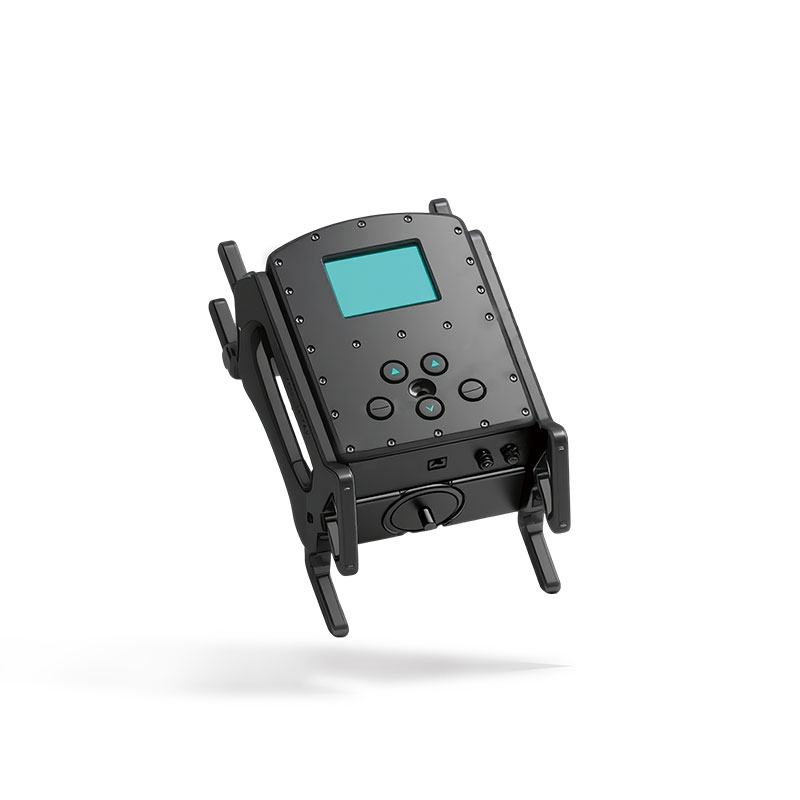 DIVER 104
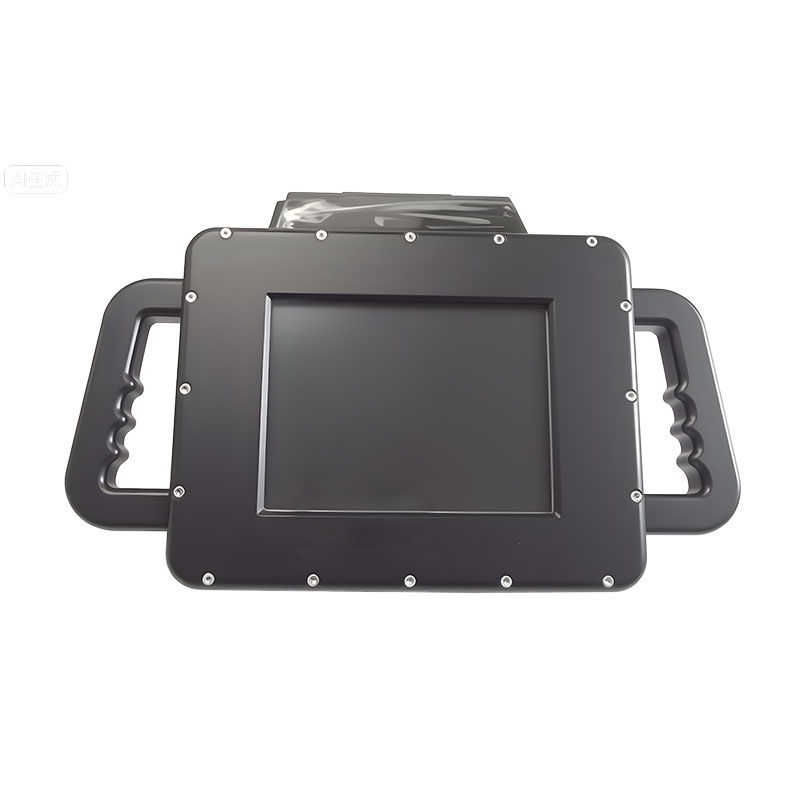 DIVER 105
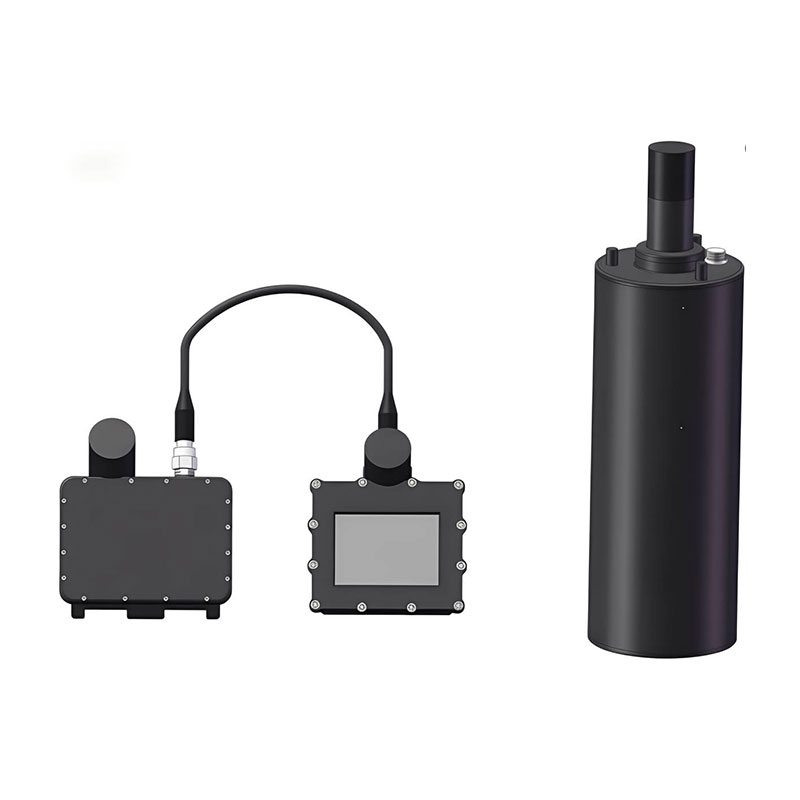 DIVER 106
 SLLR3000
 SLLR905
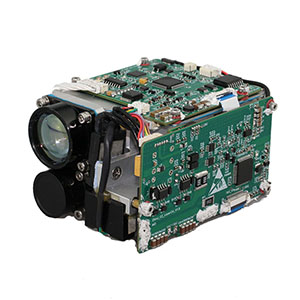 SLLD25
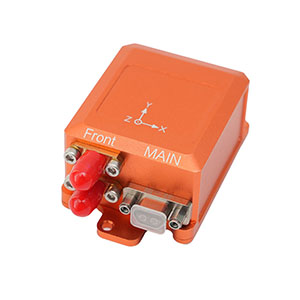 160M
160M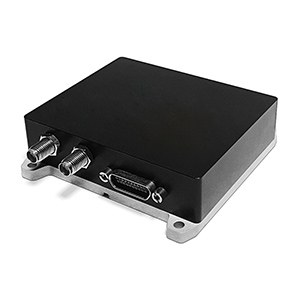 170M
170M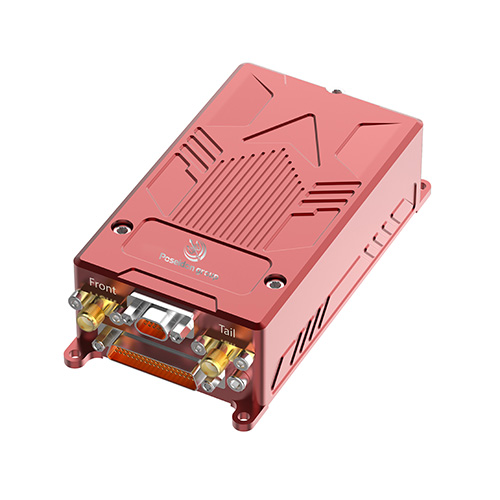 SLFC-70
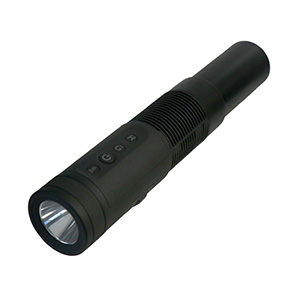 SLAF280
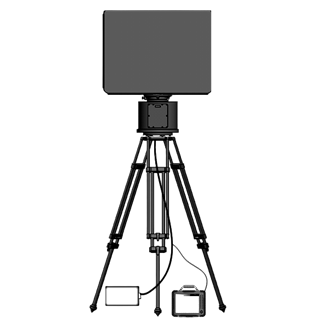 MR360
MR360
Leave Your Message
The rapid expansion of high-speed railway (HSR) networks globally has fundamentally transformed public transportation, offering unprecedented speed, efficiency, and connectivity. However, operating trains at speeds exceeding 300 km/h introduces immense dynamic stresses on the railway infrastructure. Even millimeter-level deviations in track geometry—such as alignment, gauge, profile, and cross-level—can lead to severe safety hazards, accelerated wear of rolling stock, and compromised passenger comfort. To mitigate these risks, continuous and highly accurate track inspection is non-negotiable. This is where the Gyro Compass Mapping Unit, powered by advanced Fiber Optic Gyroscopes (FOG) and Inertial Navigation Systems (INS), emerges as a critical technological cornerstone.
Historically, track inspection relied heavily on manual labor and static chord-measurement techniques, which were time-consuming, highly subjective, and disruptive to train schedules. Today, the commercial landscape has decisively shifted towards automated, high-speed dynamic track geometry cars equipped with sophisticated inertial mapping units. The global market for railway maintenance machinery and inspection systems is experiencing robust growth, driven by aging rail infrastructure in Europe and North America, alongside massive new HSR deployments in Asia.
From an industrial perspective, railway operators are demanding inspection solutions that operate flawlessly in GNSS-denied environments. High-speed rail lines frequently traverse long tunnels, deep urban canyons, and mountainous terrains where satellite signals are completely blocked. A high-performance Gyro Compass Mapping Unit ensures uninterrupted, centimeter-level spatial positioning and attitude determination, seamlessly bridging the gap during GPS outages. This capability not only ensures regulatory compliance but also significantly reduces maintenance costs by enabling predictive maintenance strategies.
Migrating from reactive repairs to proactive, data-driven railway infrastructure management through high-precision inertial data.
The integration of a Gyro Compass Mapping Unit into railway inspection vehicles unlocks a multitude of advanced application scenarios that traditional optical or mechanical sensors simply cannot achieve.
In GNSS-denied environments like long subterranean tunnels, the Gyro Compass Mapping Unit relies on its internal Fiber Optic Gyros to maintain an absolute spatial reference. By integrating odometer data and employing advanced Kalman filtering, the unit accurately maps the 3D trajectory of the track. This is vital for detecting structural subsidence, tunnel convergence, or bridge deflection over time, ensuring the structural integrity of critical HSR assets.
Operating at commercial speeds, the mapping unit continuously records pitch, roll, and heading data. When fused with laser profilers and gauge sensors, it calculates absolute track irregularities. The high sampling rate of the micro-nano angular rate sensors allows for the detection of high-frequency track defects (short-wave irregularities) that cause harsh vibrations, directly impacting the wheel-rail interaction dynamics and passenger ride quality.
The precise georeferenced data generated by the Gyro Compass Mapping Unit forms the foundational layer for Railway Digital Twins. By overlaying multi-temporal inspection data, AI algorithms can predict track degradation rates. This empowers track maintenance teams to optimize tamping operations, schedule rail grinding precisely where needed, and allocate maintenance budgets with unprecedented efficiency, minimizing downtime.
The trajectory of Gyro Compass Mapping Units is heavily influenced by the broader trends in artificial intelligence and the Internet of Things (IoT). Modern high-speed railway track inspection demands systems with start times of less than 1 second and the ability to operate continuously without thermal drift. The development of compact, precision-engineered angular speed sensors—like the BSD50 series—represents a paradigm shift. These units are not only smaller and lighter but offer superior bias stability and scale factor repeatability.
Looking ahead, the integration of proprietary AI algorithms will allow these inertial systems to self-calibrate dynamically, learning from the specific vibration profiles of different train bogies. Furthermore, as HSR networks become fully digitized, the mapping units will serve as critical IoT nodes, streaming real-time track health metrics to centralized cloud command centers, facilitating a truly autonomous and intelligent railway ecosystem.
Poseidon International Group (Hong Kong) Limited — Connecting the World Through High Accuracy Navigation Technology
Based in Hong Kong, we are a global enterprise dedicated to delivering high-quality products and professional services. We have established long-term, stable, and efficient partnerships with numerous suppliers worldwide, ensuring competitive pricing and superior product quality tailored for industries demanding the highest precision, such as High-Speed Railway infrastructure.

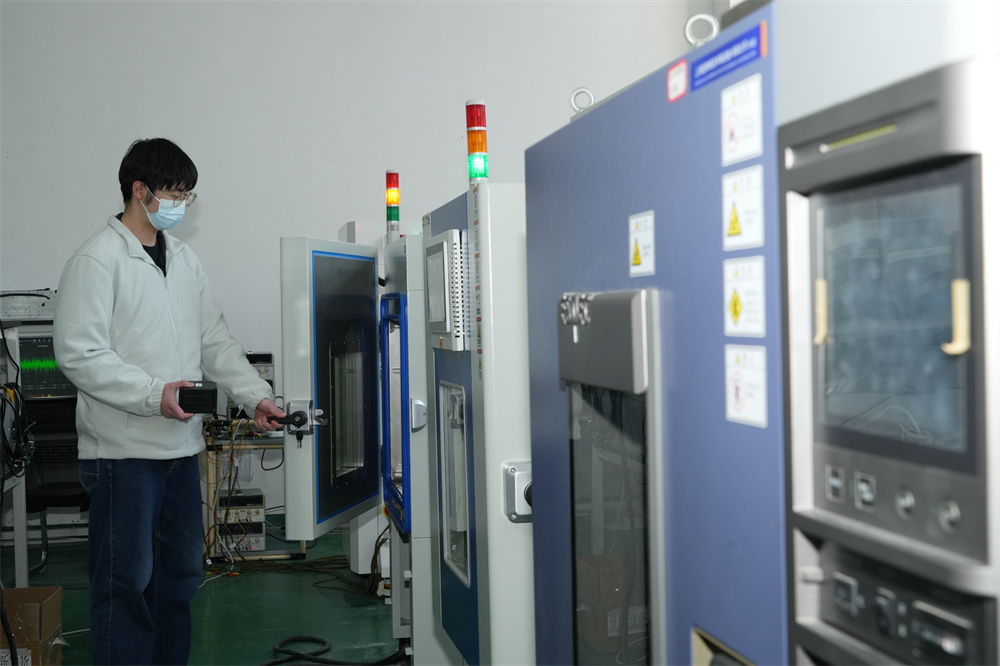
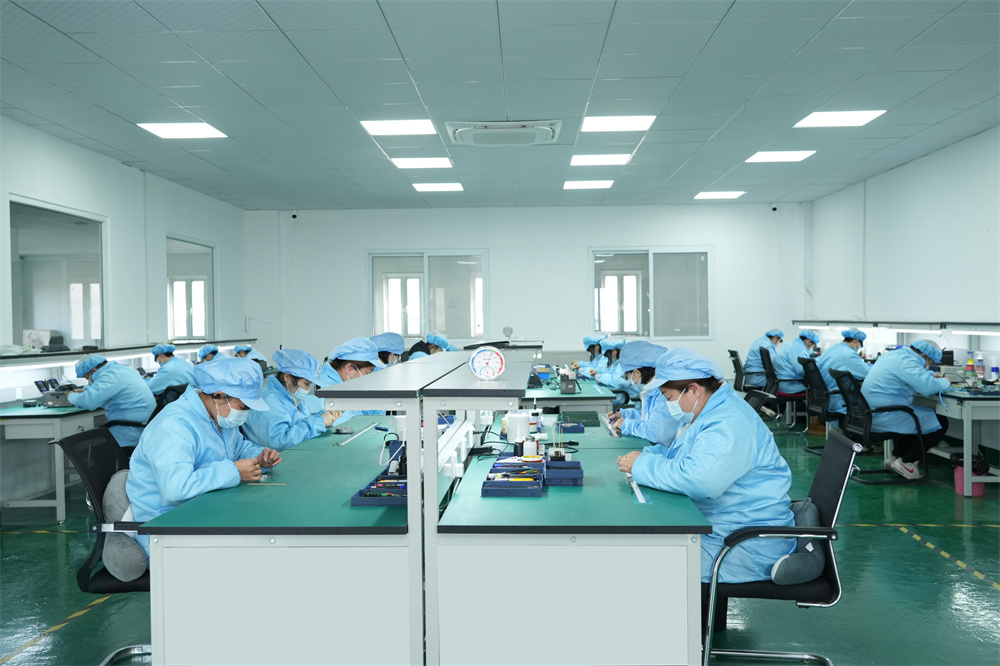
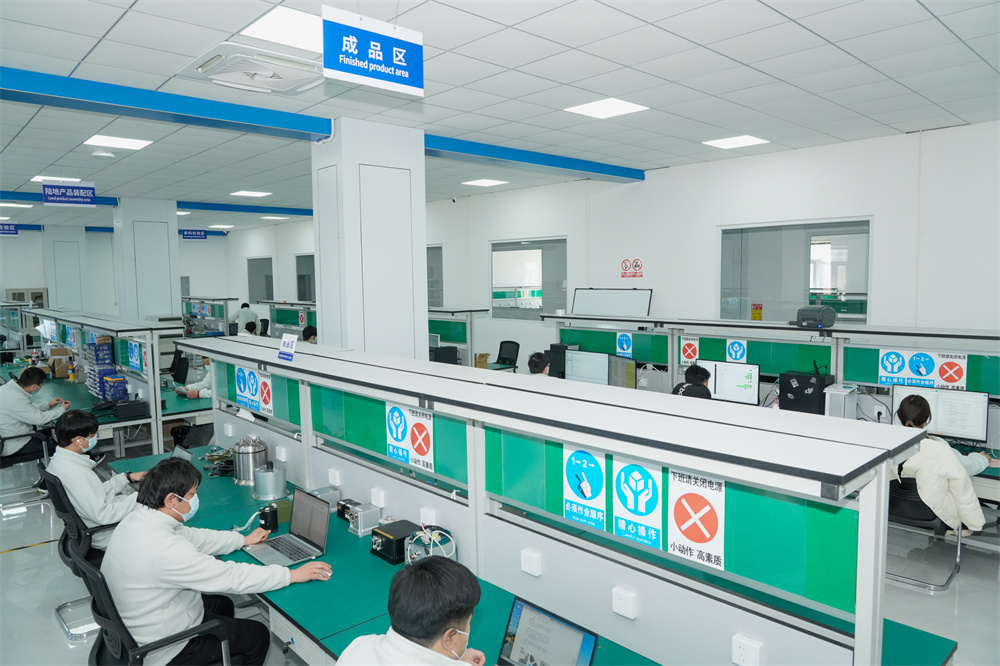
Poseidon International Limited, Hong Kong strives to provide satisfactory products and services to customers from all walks of life.


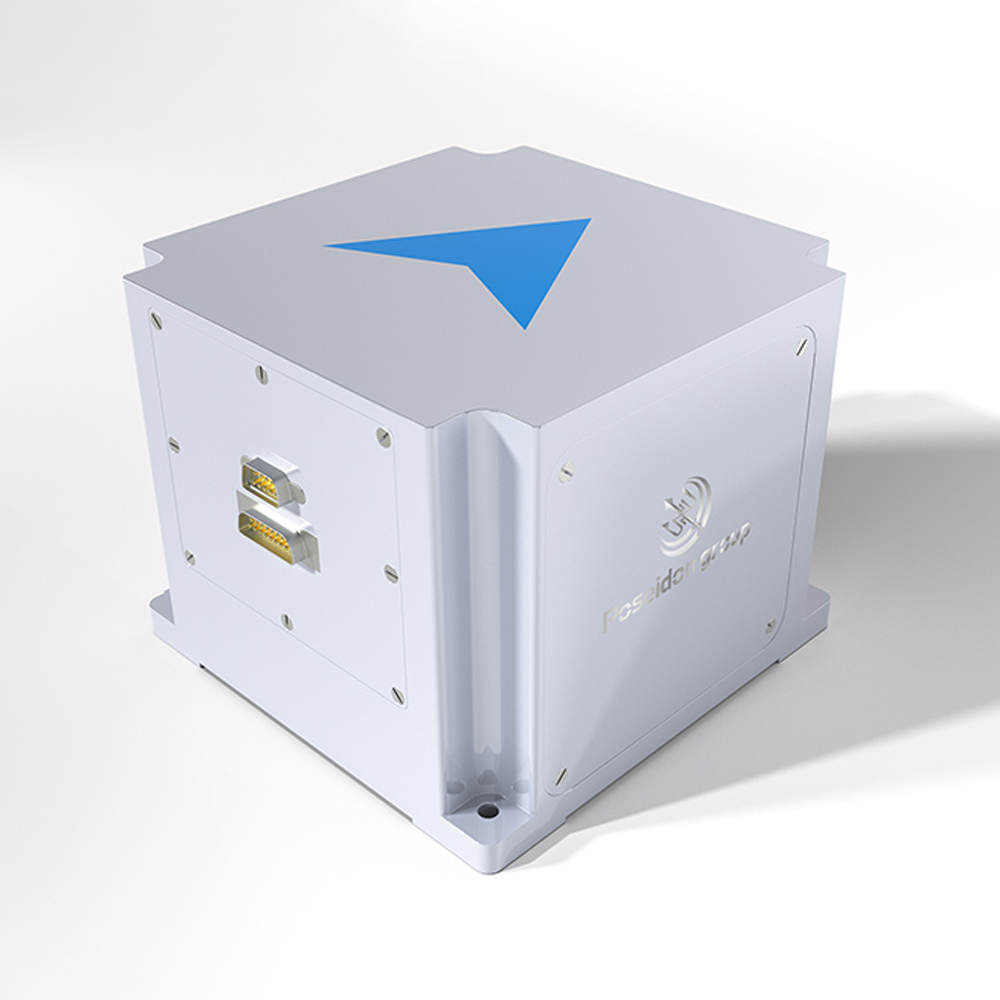

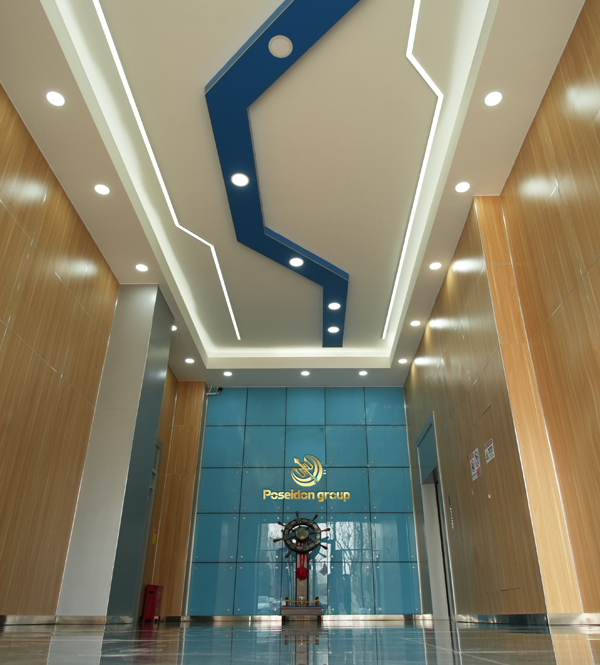
We specialize in the independent research, design, and production of fiber optic gyroscopes (FOG), inertial navigation systems (INS), attitude and control systems, and intelligent control systems for railway track mapping. By integrating industry-specific requirements for dynamic track geometry measurement, we have made significant technological advancements in digitalization, automation, and intelligence, securing multiple technical patents.
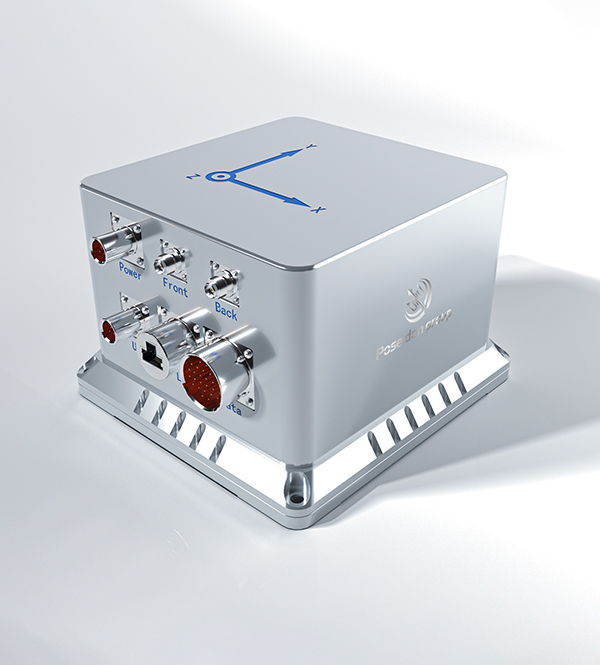
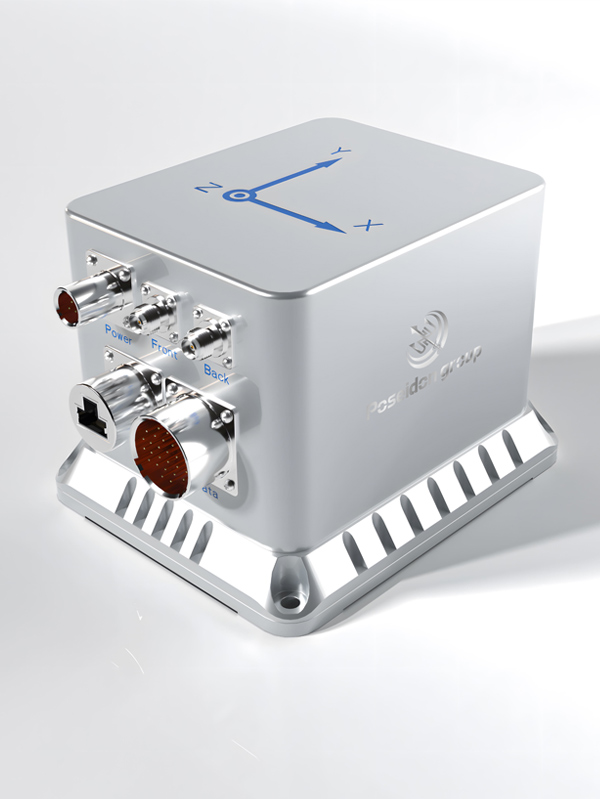
Our core team comprises seasoned experts with extensive backgrounds in aerospace and inertial navigation. We have successfully tackled critical technological challenges in high-precision GNSS-free navigation for long railway tunnels, laser measurement, integrated navigation, multi-source data fusion, and precise positioning—areas that are crucial for uninterrupted high-speed rail inspection.


Our products are smaller in size, higher in accuracy, and more stable in performance, featuring long-term dynamic auto-calibration with zero-drift operation. They are widely adopted in railway scientific research, high-precision track detection, and metrology. Having passed rigorous validation in railway applications, our solutions have been procured in bulk, filling key technological gaps in the industry.
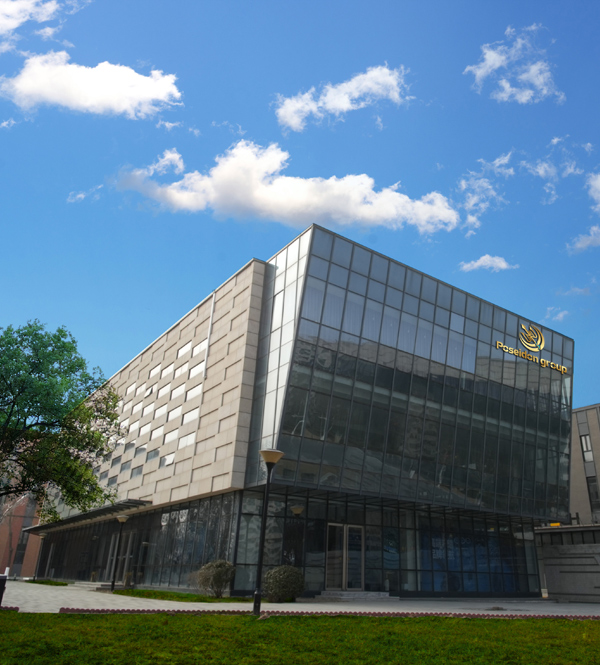
We operate over 6,000-square-meter manufacturing facility in mainland China, equipped with advanced R&D, production, and testing infrastructure, enabling large-scale production and timely delivery for massive railway construction projects. Our network of subsidiaries, offices, and spare parts warehouses ensures prompt technical support and after-sales service.
Compared to similar companies, we offer unique advantages:


Guided by the vision of "Connecting the World through Inertial Navigation", we strive to push the boundaries of navigation technology, aiming to become a leading integrated solutions provider with a broad product portfolio and advanced competencies.
Contact Us!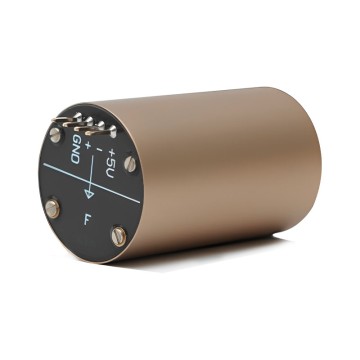 Micro-nano Angular Rate Sensor Fiber Optic Gyro with Start Time Less Than 1s
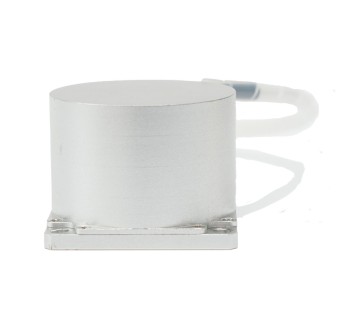 Fiber Optic Gyro BSD50 Compact & Precision Engineered Angular Speed Sensor
Advanced Micro-nano FOG Unit for Dynamic Rail Inspection
BSD50 Compact Gyroscope for Track Geometry Cars
High-Frequency Angular Rate Sensor for Railway Irregularities
Precision Engineered Angular Speed Sensor for Tunnel Mapping
Zero-Drift Micro-nano Fiber Optic Gyroscope System
Industrial Grade Compact FOG for GNSS-Denied Environments
Fiber Optic Gyro BSD50 Compact & Precision Engineered Angular Speed Sensor
Advanced Micro-nano FOG Unit for Dynamic Rail Inspection
BSD50 Compact Gyroscope for Track Geometry Cars
High-Frequency Angular Rate Sensor for Railway Irregularities
Precision Engineered Angular Speed Sensor for Tunnel Mapping
Zero-Drift Micro-nano Fiber Optic Gyroscope System
Industrial Grade Compact FOG for GNSS-Denied Environments