
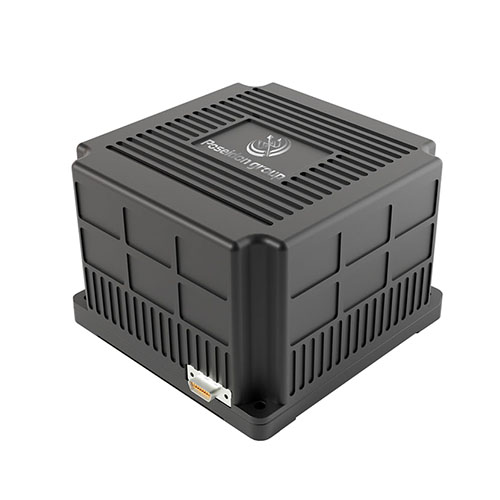
 TBSD60
 BSD120
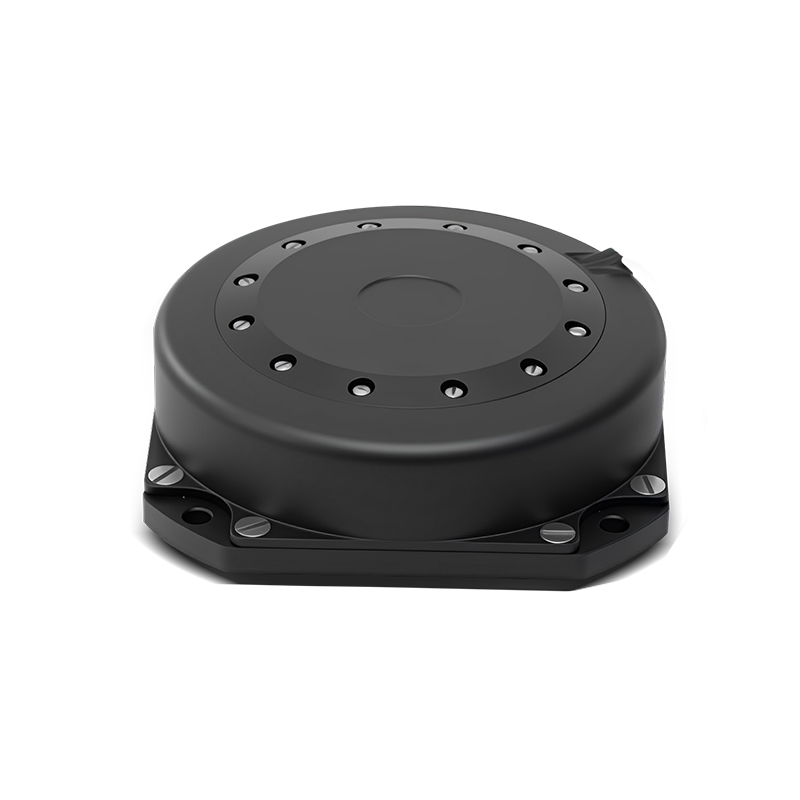 BSD98
BSD98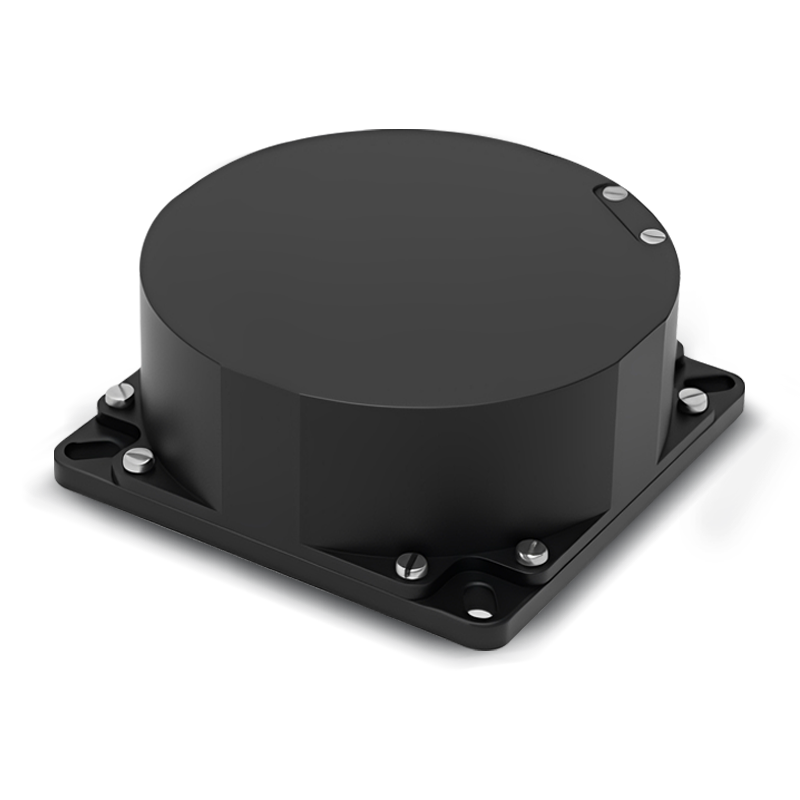 BSD70
BSD70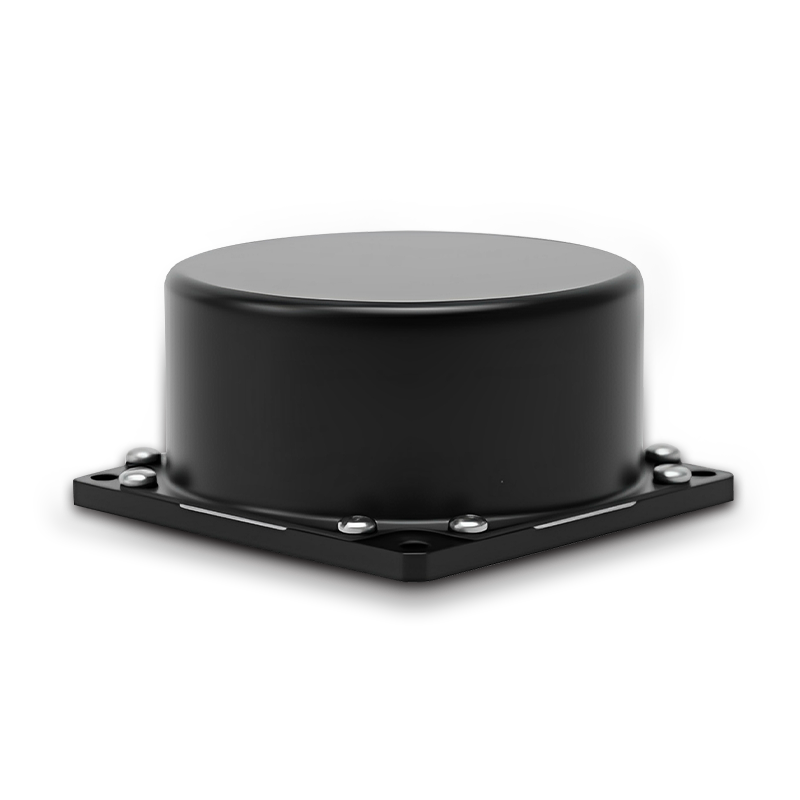 BSD60
BSD60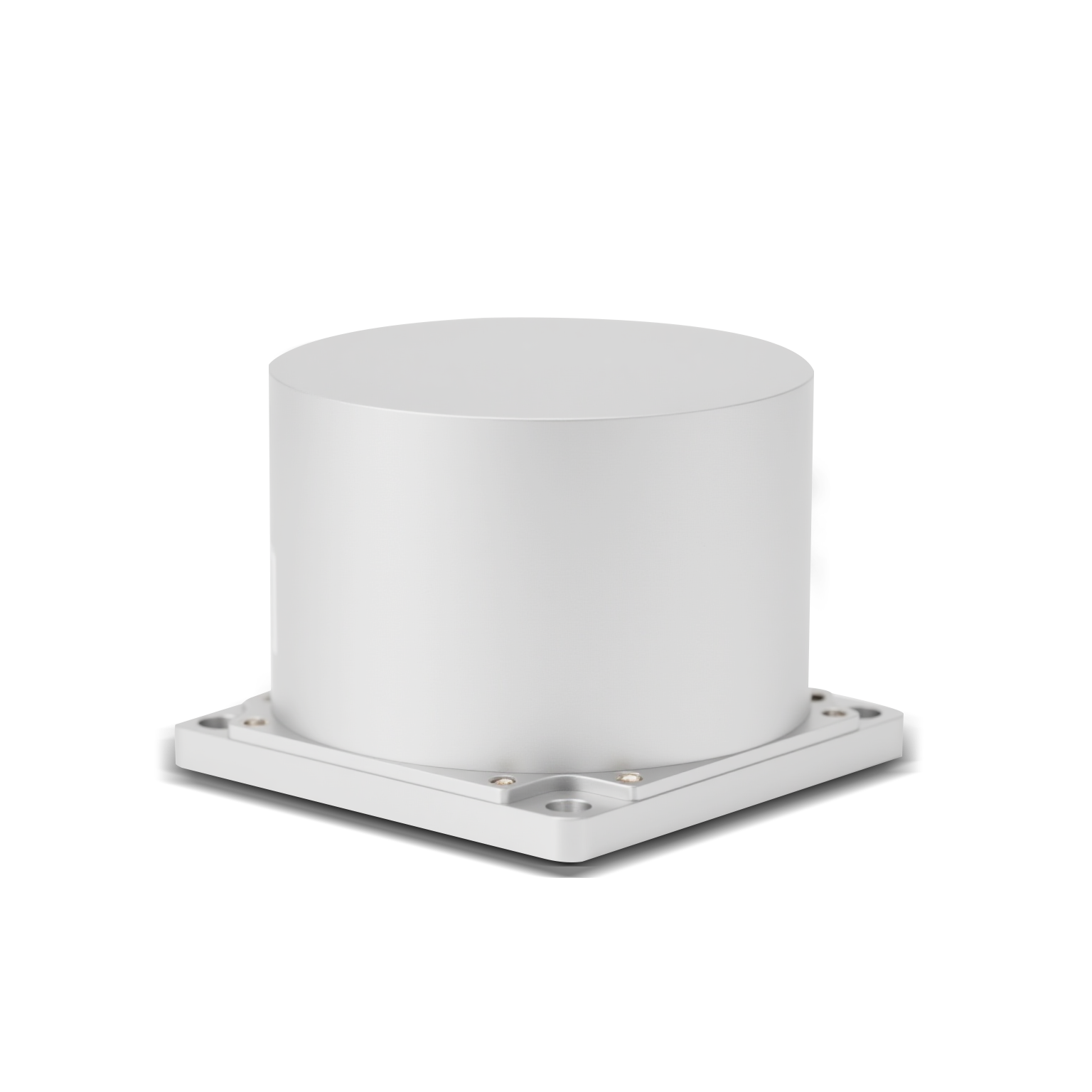 BSD50
BSD50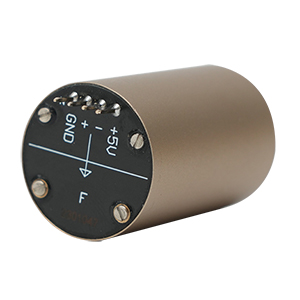 BSD217
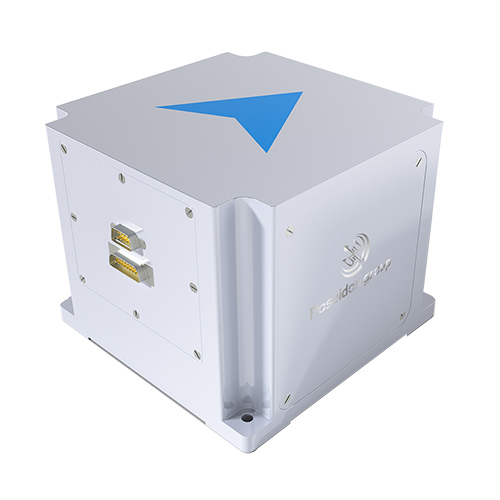 INS1700
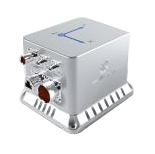 INS970
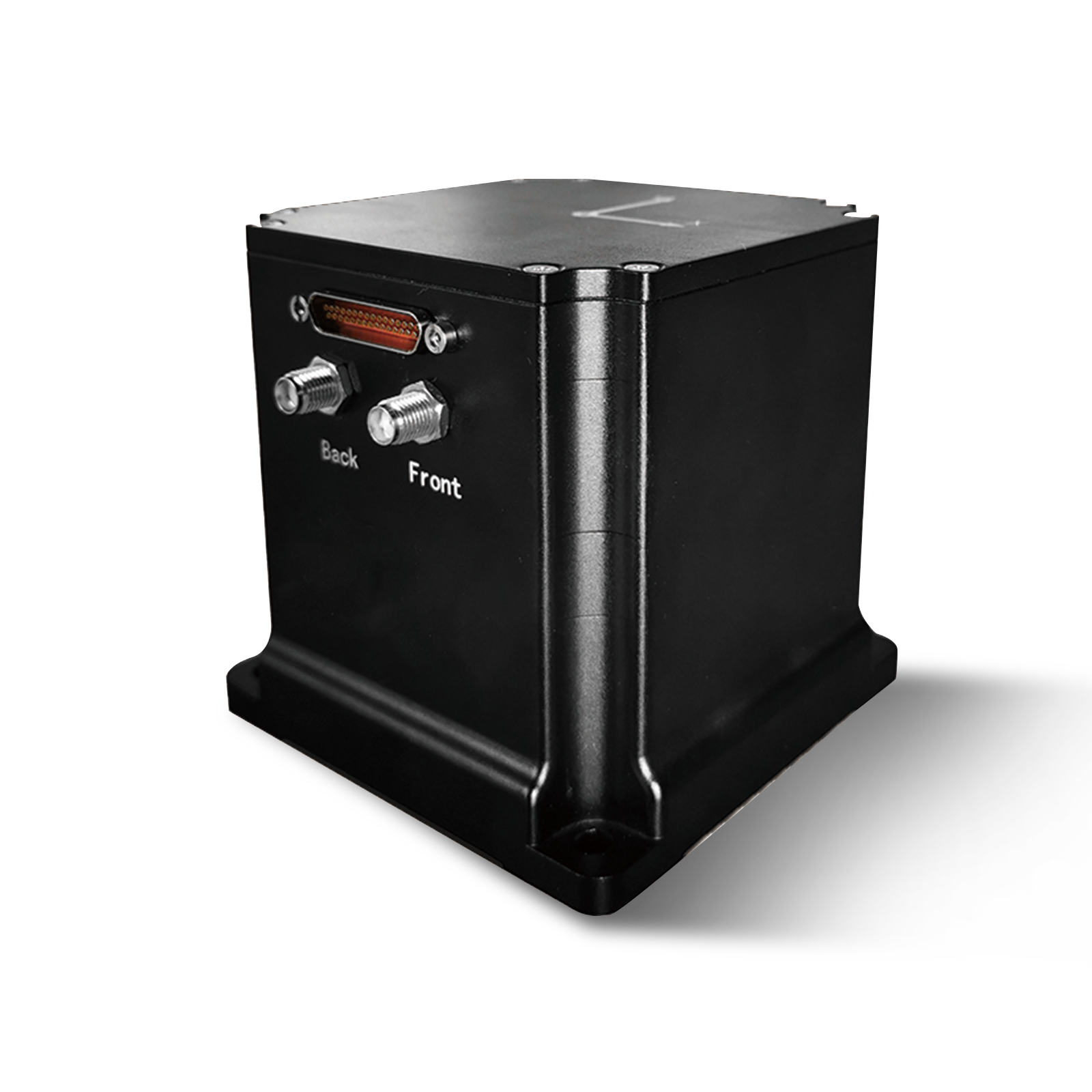 INS570
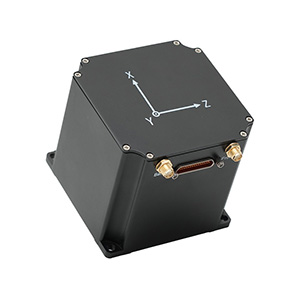 INS170
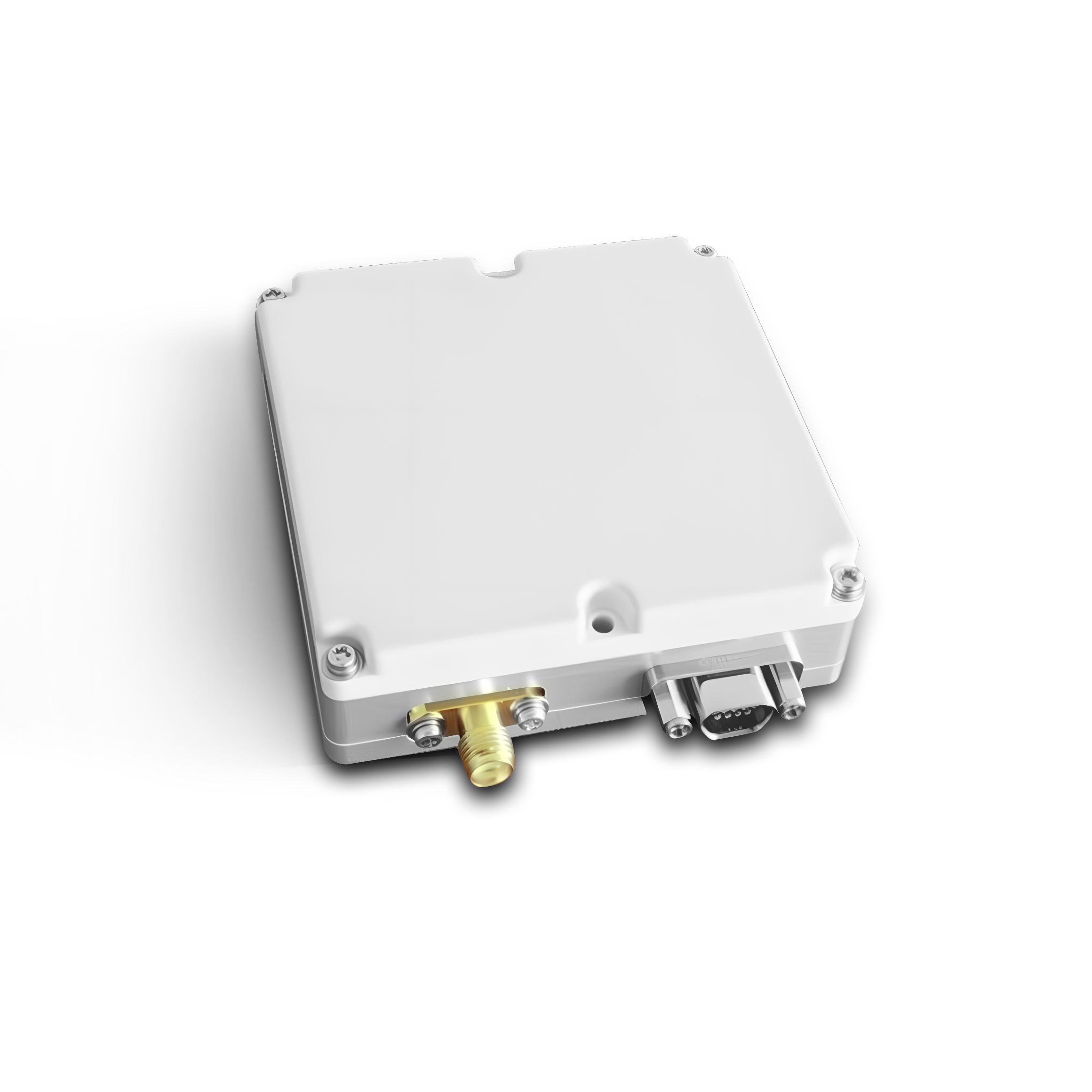 SLA-4B1L1-65
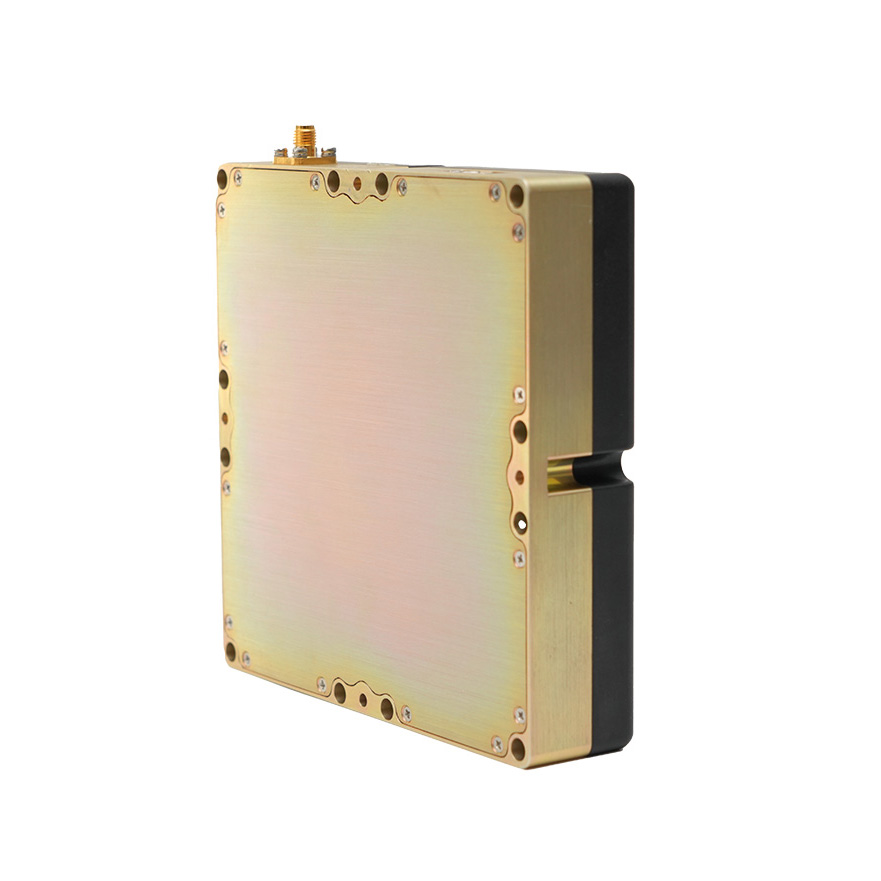 SLA-4B1L1-130
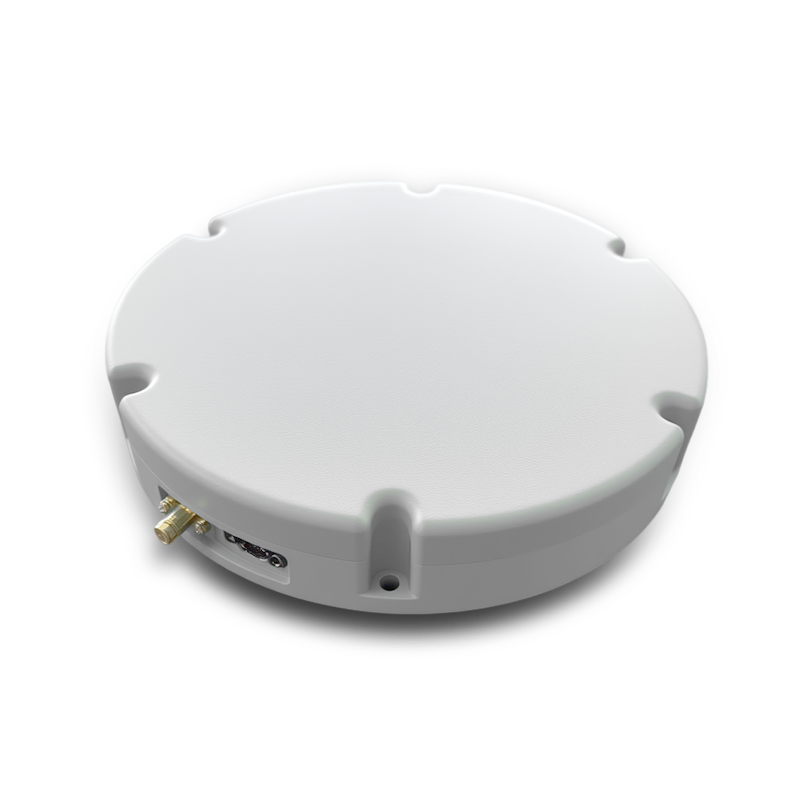 SLA-8B1L1-165
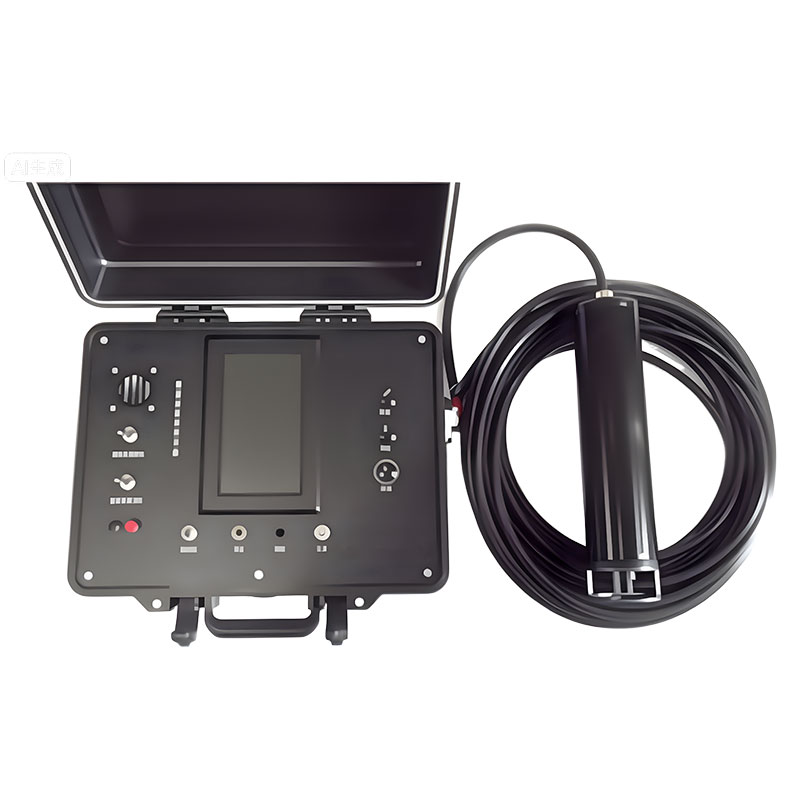 DIVER 101
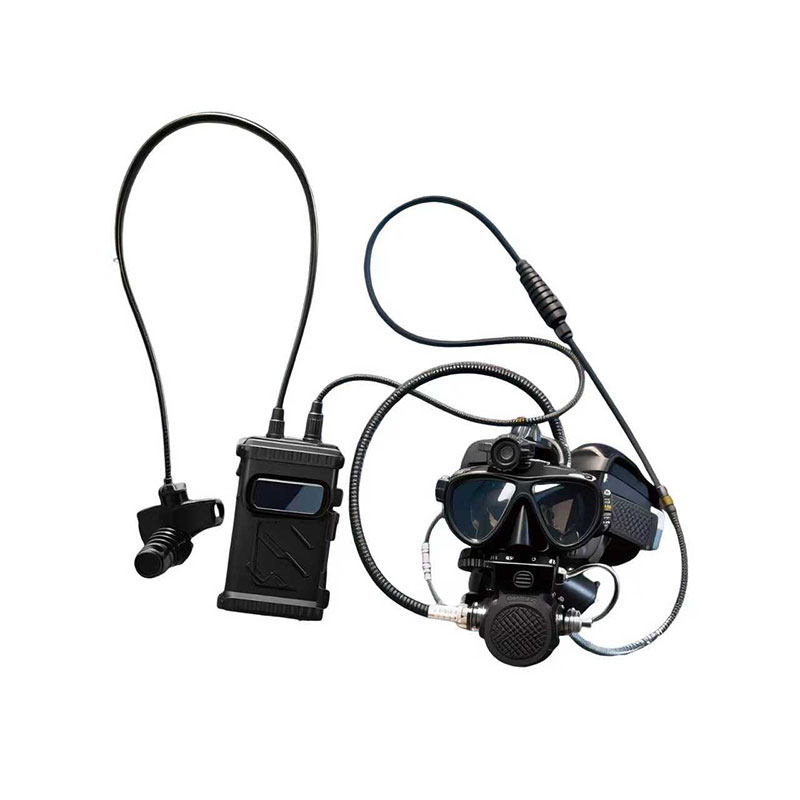 DIVER 102
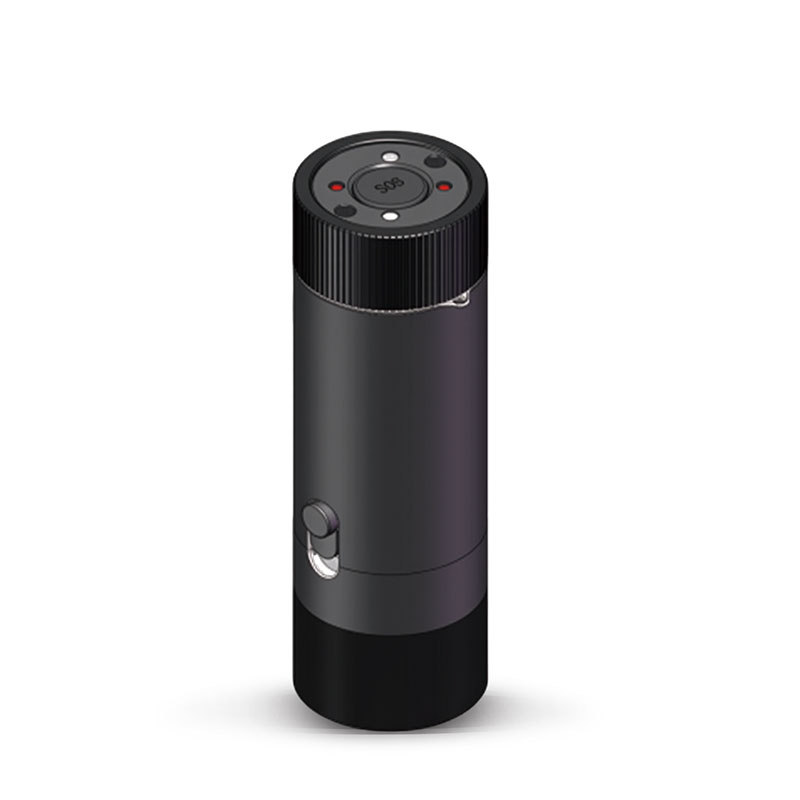 DIVER 103
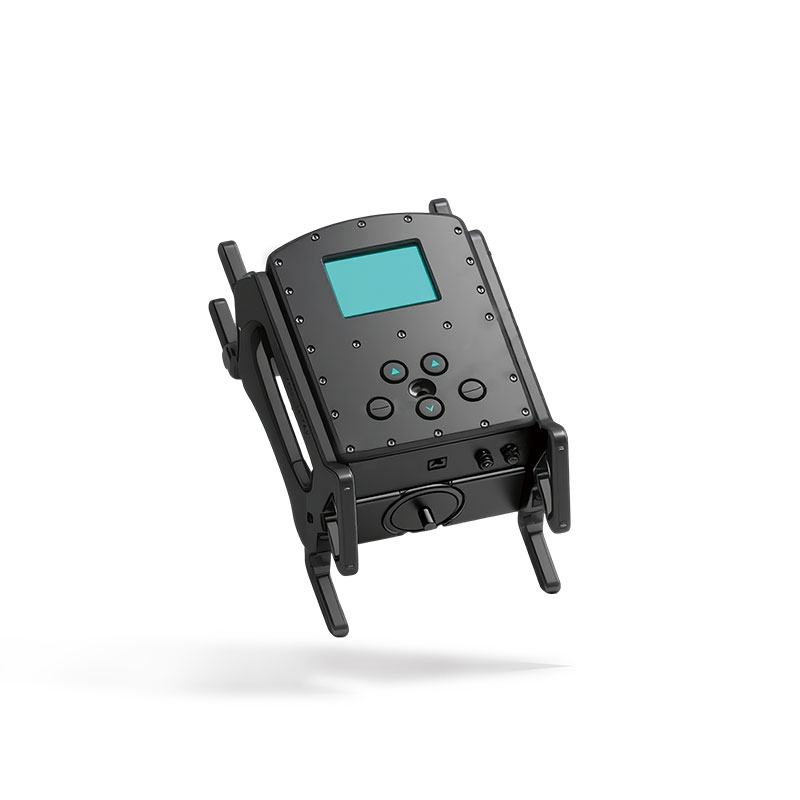 DIVER 104
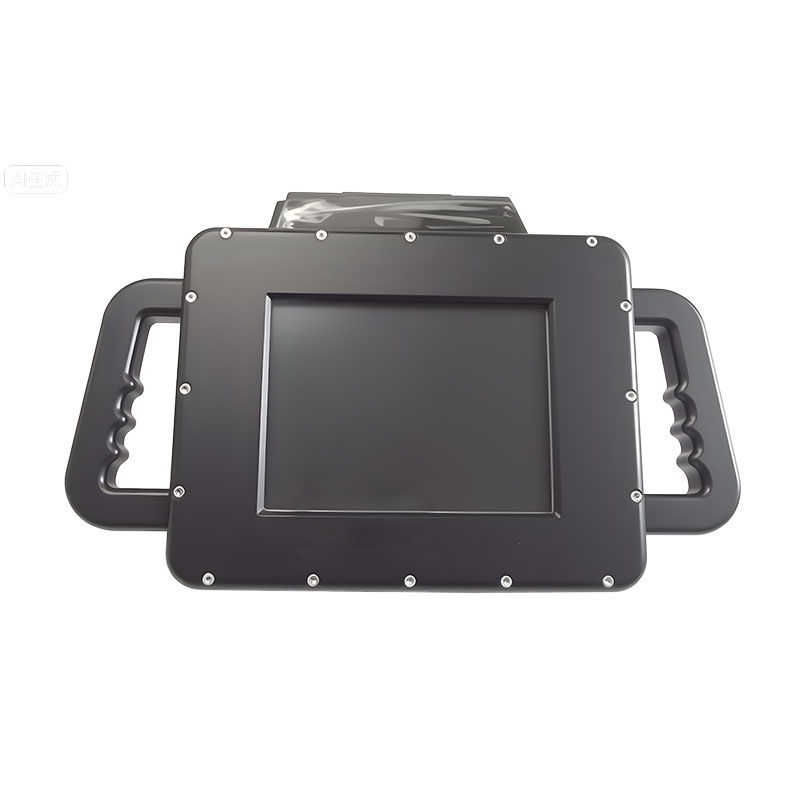 DIVER 105
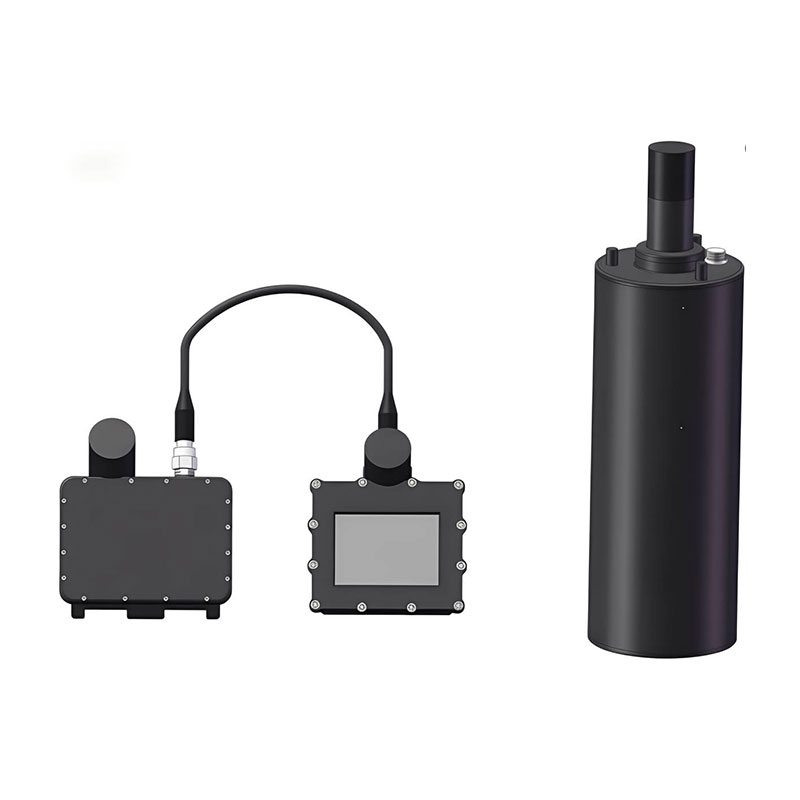 DIVER 106
 SLLR3000
 SLLR905
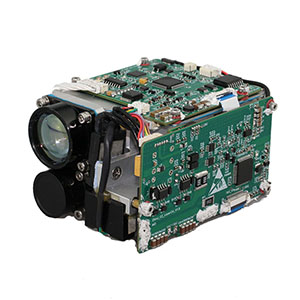 SLLD25
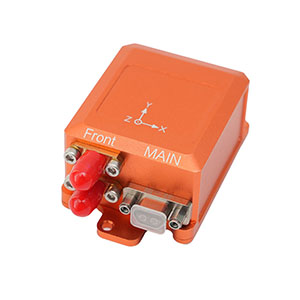 160M
160M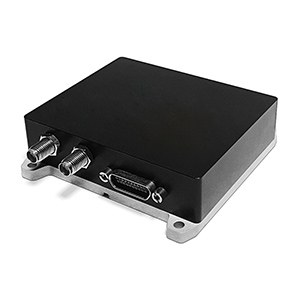 170M
170M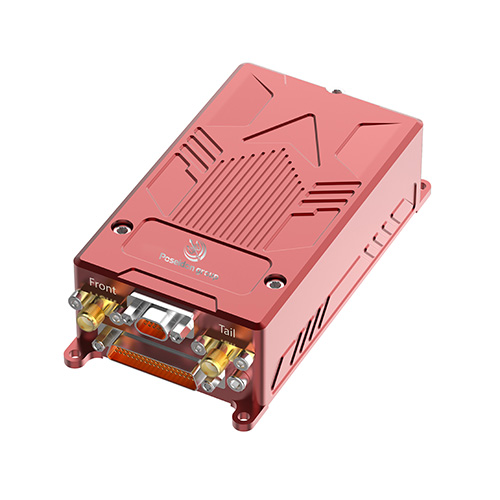 SLFC-70
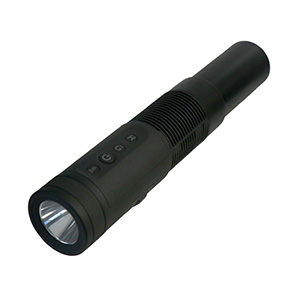 SLAF280
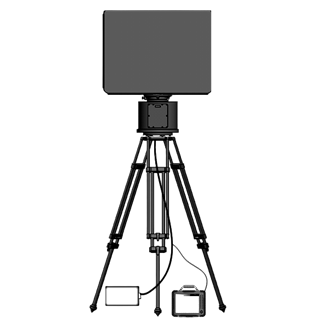 MR360
MR360
Leave Your Message
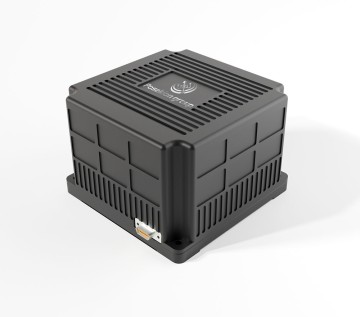
Lightweight inertial navigation tailored for agile robotic arms and AMRs.
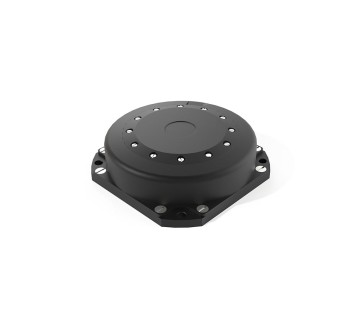
Advanced zero-drift operation for heavy-duty automated manufacturing.
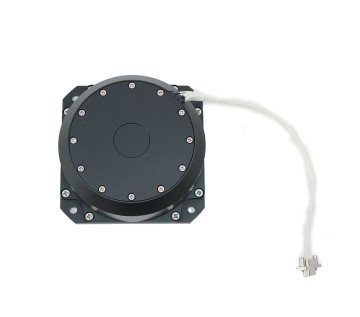
Compact mapping unit ensuring spatial awareness in complex terrains.
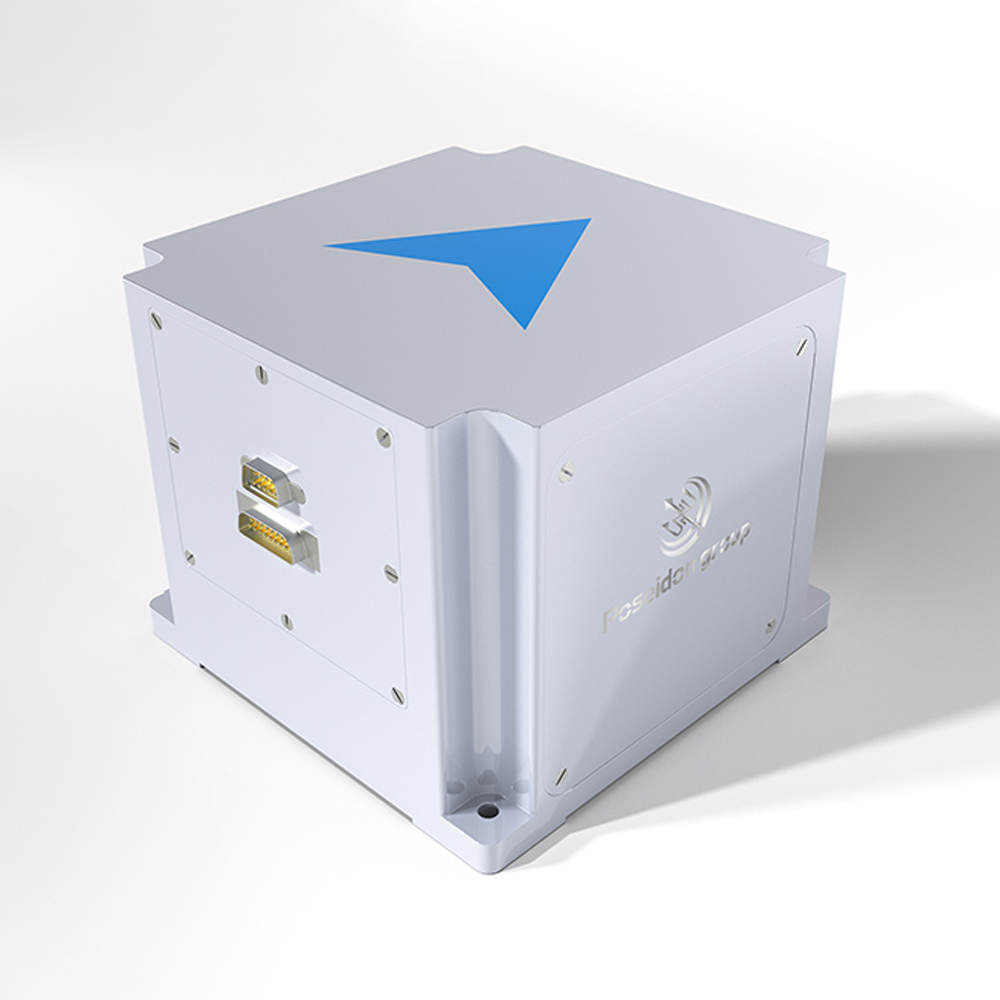
Robust integrated navigation for GPS-prohibited industrial zones.
Poseidon International Group (Hong Kong) Limited — Connecting the World Through High Accuracy Navigation Technology
Based in Hong Kong, we are a global enterprise dedicated to delivering high-quality products and professional services. We have established long-term, stable, and efficient partnerships with numerous suppliers worldwide, ensuring competitive pricing and superior product quality. Guided by the vision of “Connecting the World through Inertial Navigation”, we strive to push the boundaries of navigation technology, aiming to become a leading integrated solutions provider with a broad product portfolio and advanced competencies.
The global industrial landscape is undergoing a monumental shift from Industry 4.0 to Industry 5.0, where human-machine collaboration and highly autonomous systems take center stage. At the very heart of this transformation lies the Inertial Mapping Unit (IMU). Originally confined to aerospace and military applications due to exorbitant costs and massive form factors, high-precision IMUs have now penetrated the core of industrial robotics. Today's commercial reality demands robots that do not merely follow pre-programmed tracks but actively perceive, adapt, and navigate through highly dynamic environments.
Currently, the market for industrial-grade IMUs is experiencing exponential growth. Factories are increasingly deploying Automated Guided Vehicles (AGVs) and Autonomous Mobile Robots (AMRs) that operate in complex, GPS-denied environments like deep underground warehouses, multi-story manufacturing plants, and heavy-metal storage facilities. In these scenarios, traditional optical or radio-based navigation frequently fails due to signal blockages or visual uniformities. The Inertial Mapping Unit solves this critical bottleneck by providing continuous, high-frequency orientation, velocity, and gravitational data, enabling dead-reckoning navigation with micro-millimeter precision.
Moreover, the commercialization of Fiber Optic Gyroscopes (FOG) and advanced Micro-Electromechanical Systems (MEMS) has democratized access to high-precision mapping. Companies are no longer forced to compromise between accuracy and budget. The current industrial status shows a massive integration of IMUs with LiDAR and machine vision, creating a robust sensor fusion ecosystem. This synergy allows 6-axis robotic arms to perform intricate tasks—such as semiconductor wafer handling and automated micro-welding—while actively compensating for micro-vibrations in real-time. As global supply chains demand higher throughput and zero-defect manufacturing, the reliance on high-precision inertial mapping units has shifted from a technological luxury to a fundamental industrial necessity.
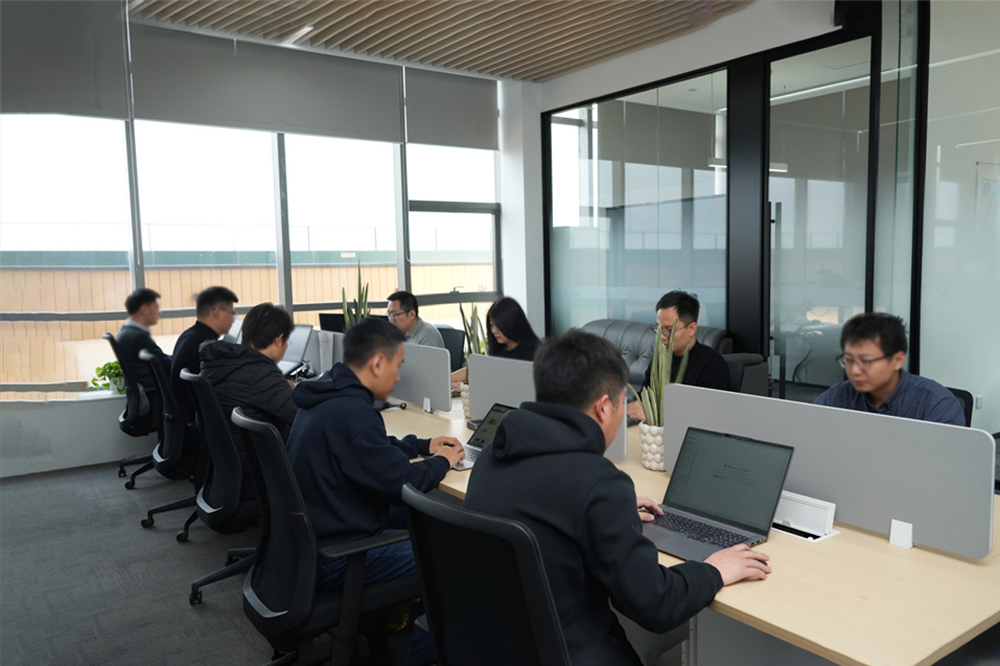
Reducing overall production and integration costs by 25% through proprietary engineering.
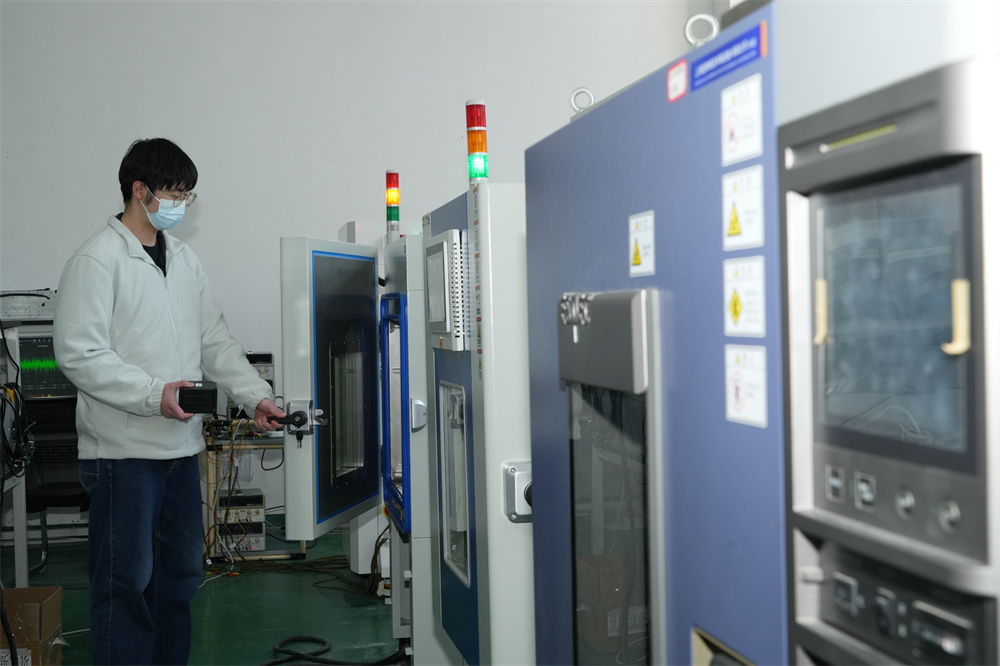
Improving navigation and mapping performance by 20% in complex industrial terrains.
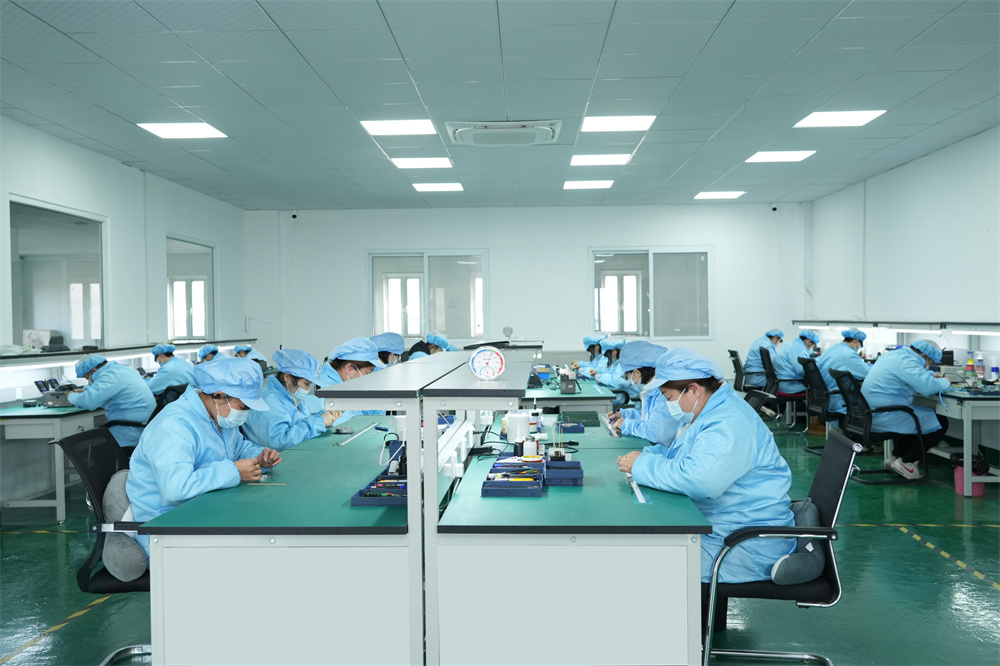
Ensuring stable quality, high efficiency, and rapid deployment for large-scale robotic fleets.
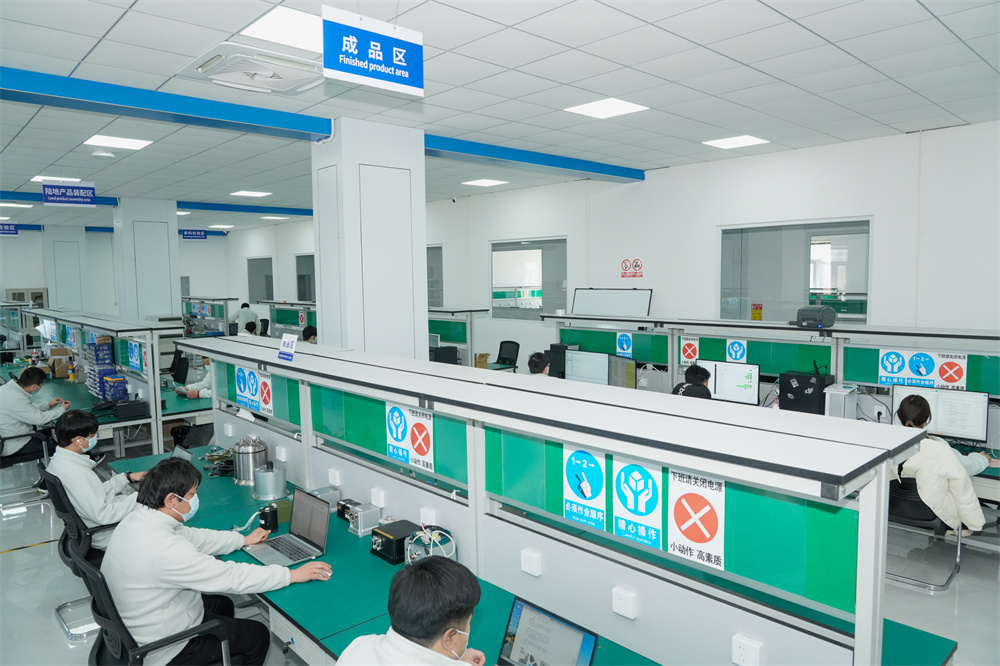
Delivering cross-industry solutions from raw components to full autonomous robotic systems.
In modern e-commerce fulfillment centers, thousands of AMRs operate simultaneously. Traditional navigation relies on floor grids or QR codes, which are susceptible to wear and tear. High-precision IMUs allow these robots to calculate their exact trajectory, acceleration, and deceleration independently of external markers. When integrated with SLAM (Simultaneous Localization and Mapping), the IMU bridges the gap during LiDAR blind spots, ensuring the robot maintains its path even in highly dynamic, visually obscured environments. This drastically reduces collision rates and increases logistical throughput.
For tasks such as aerospace component assembly, semiconductor manufacturing, or automated surgical procedures, the margin for error is virtually zero. An Inertial Mapping Unit attached to the end-effector of a 6-axis robotic arm provides real-time kinesthetic feedback. It detects microscopic vibrations and structural deflections caused by the arm's own movement or external machinery. By feeding this inertial data back into the control loop, the system can dynamically compensate for these anomalies, achieving sub-millimeter positioning accuracy that purely encoder-based systems cannot match.
Robots deployed in underground mines, offshore oil rigs, or nuclear facilities face extreme conditions where GPS signals are non-existent and magnetic interference is severe. High-precision Fiber Optic Gyroscope (FOG) IMUs are immune to electromagnetic interference. They allow inspection crawlers and drones to map complex 3D pipe networks and structural integrity with absolute spatial awareness. The IMU ensures that the exact location of a micro-fracture or gas leak is recorded accurately in the 3D space, facilitating precise targeted maintenance.
Industrial robotics extends beyond the factory floor. Autonomous tractors, harvesters, and robotic excavators operate on uneven, unpredictable terrains. An IMU is critical here for attitude and heading reference. It continuously monitors the roll, pitch, and yaw of the heavy machinery. If an autonomous excavator is working on a steep incline, the IMU detects the critical tipping point and adjusts the machine's center of gravity or halts operation to prevent catastrophic rollovers, ensuring both operational efficiency and site safety.
Poseidon International Limited, Hong Kong strives to provide satisfactory products and services to customers from all walks of life. We specialize in creating high-performance environments for industrial robotics.

All-in-One Solutions: We provide comprehensive solutions, whether for components, products, systems, or complete project solutions, always ensuring the best value for our clients.

Expert Team: Our experienced team, with deep expertise in international trade, is dedicated to crafting cost-effective solutions tailored to customer needs.

Secure Deliveries: Through close partnerships with leading logistics providers, we guarantee timely and secure deliveries for your critical robotic components.
As the demands of High-Precision Industrial Robotics evolve, the technology powering Inertial Mapping Units is advancing at a breakneck pace. One of the most prominent trends is Extreme Miniaturization via Advanced MEMS. While FOGs offer unparalleled accuracy, modern MEMS (Micro-Electromechanical Systems) technology is rapidly closing the performance gap. Future robotic joints and micro-drones will feature embedded, chip-scale IMUs that provide tactical-grade accuracy without the bulk, allowing for sleeker, more agile robotic designs.
Another transformative trend is the Integration of Artificial Intelligence and Machine Learning directly at the sensor level (Edge AI). Traditional IMUs rely on Kalman filters to process data and mitigate drift over time. However, AI-driven IMUs can learn the specific vibration profiles and movement kinematics of the robot they are attached to. By recognizing patterns, the AI can dynamically adjust filtering algorithms in real-time, drastically reducing cumulative errors and predicting mechanical failures before they occur. This self-calibrating capability is crucial for long-term autonomous operations.
Furthermore, the industry is moving towards Deep Sensor Fusion Architectures. Standalone IMUs are becoming rare; instead, they are being tightly coupled with visual odometry, ultra-wideband (UWB) positioning, and acoustic sensors on a single System-on-Chip (SoC). This redundancy ensures that if one sensor modality fails—for instance, a camera blinded by factory smoke—the IMU seamlessly takes over, maintaining the robot's spatial mapping integrity.
Looking further ahead, the horizon holds the promise of Quantum Inertial Navigation. Utilizing principles of quantum mechanics, such as atom interferometry, researchers are developing IMUs that experience virtually zero drift over extended periods. Once commercialized, these quantum sensors will allow industrial robots to operate autonomously for months in deep underground or subsea environments without ever needing a positional reset, revolutionizing the scope of autonomous industrial exploration and manufacturing.

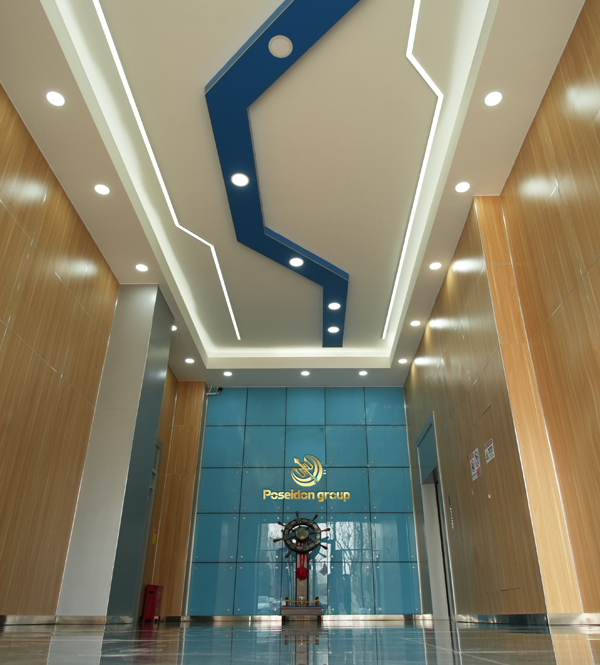
We specialize in the independent research, design, and production of fiber optic gyroscopes (FOG), inertial navigation systems (INS), attitude and control systems, autonomous driving systems, and intelligent control systems for unmanned equipment. By integrating industry-specific requirements, we have made significant technological advancements in digitalization, automation, and intelligence, securing multiple technical patents. With years of experience, we have evolved into a multi-industry intelligent solutions provider with a portfolio of proprietary core technologies.
Our core team comprises seasoned experts with extensive backgrounds in aerospace and inertial navigation. We have successfully tackled critical technological challenges in high-precision GNSS-free navigation, laser measurement, integrated navigation, multi-source data fusion, and precise positioning—areas that were once bottlenecks in the industry.
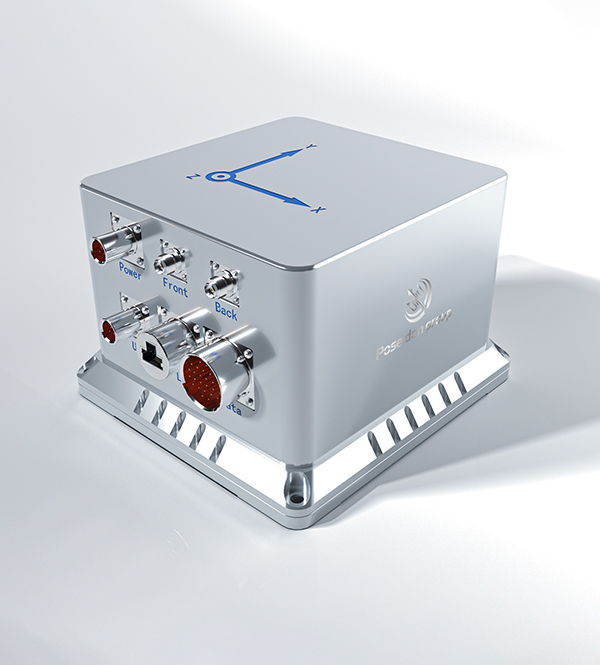
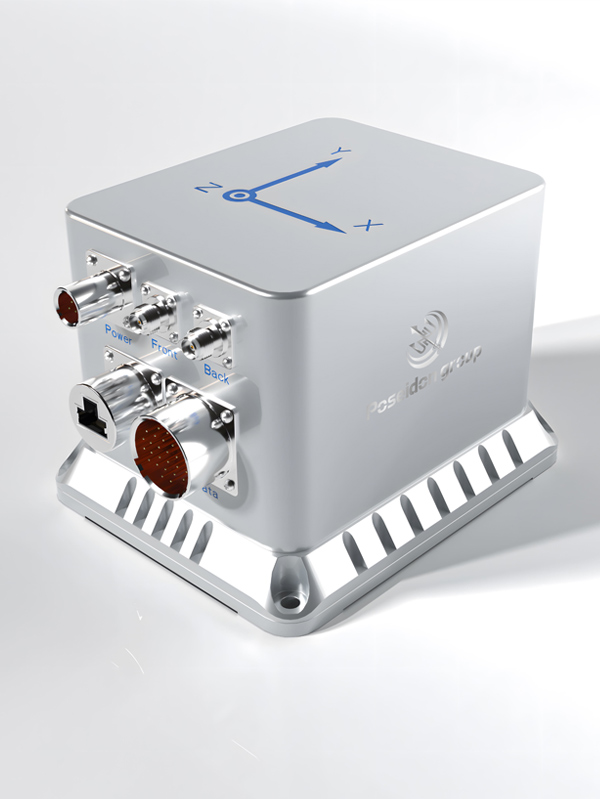


Our products are smaller in size, higher in accuracy, and more stable in performance, featuring long-term dynamic auto-calibration with zero-drift operation. They are widely adopted in scientific research, industrial control, intelligent unmanned systems, high-precision detection, and metrology. Having passed rigorous validation in aviation, aerospace, marine, mining, and railway applications, our solutions have been procured in bulk, filling key technological gaps.
We operate over 6,000-square-meter manufacturing facility in mainland China, equipped with advanced R&D, production, and testing infrastructure, enabling large-scale production and timely delivery. Our network of subsidiaries, offices, and spare parts warehouses across China ensures prompt technical support and after-sales service.

Compared to similar companies, we offer unique advantages for your industrial robotics integration:

Creating mutually beneficial relationships with clients and partners in the robotics sector.

Commitment to ethical business practices and reliable sensor data.

Providing clear, one-time offers with no hidden costs for bulk manufacturing.

24/7 service guarantee in all time zones with minimal response time.
Optimal for warehouse automated guided vehicles requiring lightweight integration.
High-grade fiber optic gyro for 6-axis precision manufacturing arms.
Ensures stable flight and mapping in GPS-denied indoor factory environments.
Heavy-duty anti-interference navigation for underground robotic excavators.
Self-developed core components tailored for unique robotic chassis designs.
Proprietary algorithms combining IMU data with LiDAR for smart factories.
Ultra-high precision unit designed for medical and micro-assembly robotics.
Comprehensive system integration for managing multi-robot industrial fleets.